

“2026 Denver Paint Color Trends: Why Context Matters More Than National Reports”
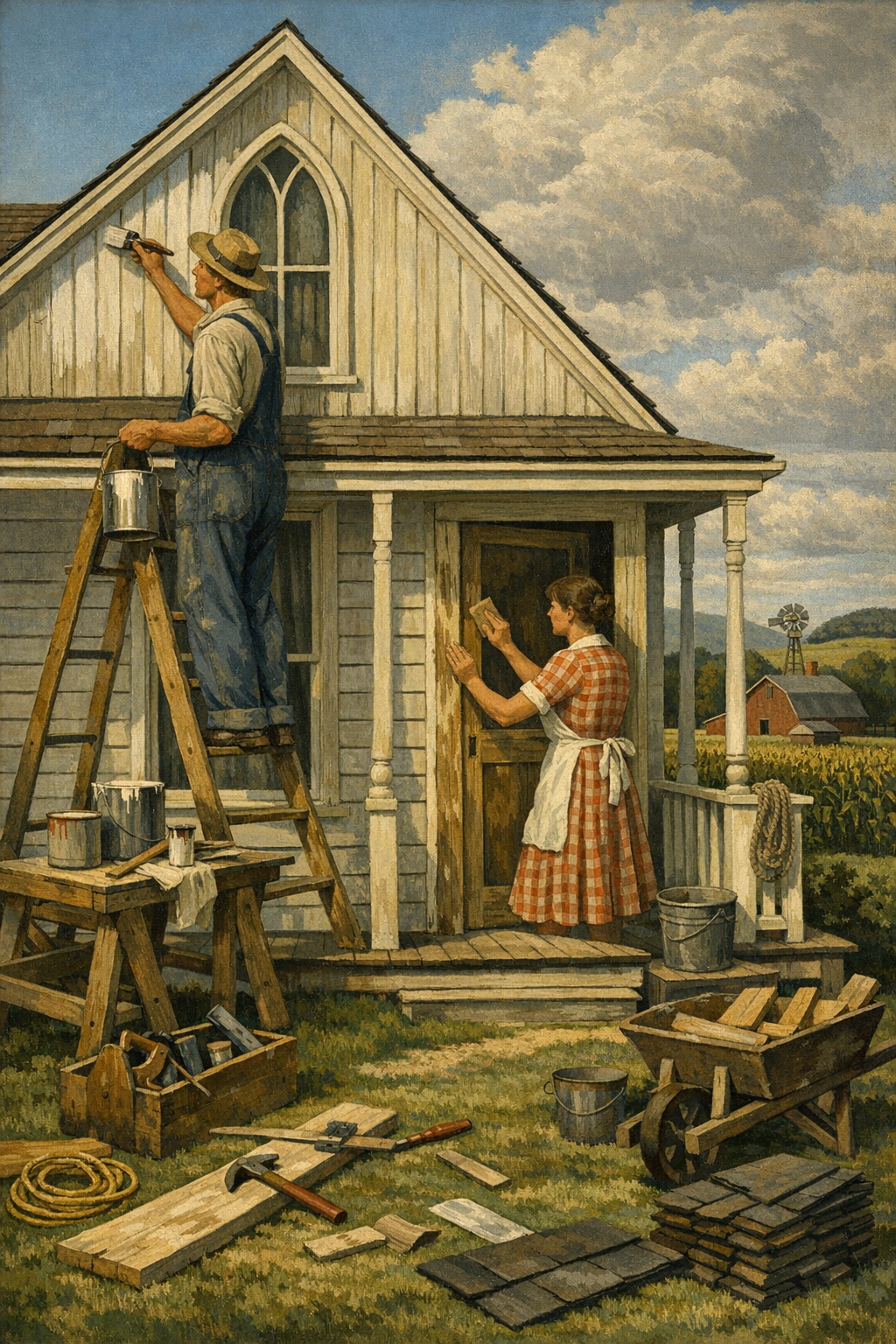
Most homes do not need a bigger renovation budget—they need better paint decisions. The biggest design mistake in the Denver metro area is not choosing a “boring” color; it is choosing trendy paint without understanding light, altitude, architecture, and durability. Denver paint color trends for 2026 are moving toward warmer, earth-driven palettes, more character-rich neutrals, and smarter exterior pairings that actually hold up in Colorado’s intense sun.
Table of Contents
- Why Denver Homes Need a Different Color Strategy
- The Top Denver Paint Color Trends for 2026
- How to Choose the Right Interior Colors Room by Room
- Exterior Color Trends That Survive Colorado Weather
- Paint Brands, Finishes, and Low-VOC Choices That Matter
- DIY Color Picking vs. Professional Results
- Frequently Asked Questions
Why Denver Homes Need a Different Color Strategy
National color trends are useful, but blindly following them is lazy. A shade that looks soft and elevated in a coastal magazine spread can look washed out, harsh, or strangely yellow under Denver’s bright sun and dry atmosphere. Homeowners in Denver, Centennial, Glendale, Brighton, and nearby communities are dealing with a specific set of conditions: strong UV exposure, dramatic seasonal light changes, open-concept layouts, and a mix of modern builds, ranch homes, and older brick exteriors.
That is why the smartest paint strategy starts with context, not trend reports. Yes, annual releases from Sherwin-Williams, Benjamin Moore, Behr, and PPG influence the market. But the winning colors in Colorado are the ones that balance style with architectural honesty. Warm whites, clay neutrals, muted greens, mineral blues, and grounded charcoals are outperforming colder gray-heavy palettes because they feel better in natural light and age more gracefully.
There is also a growing rejection of the “builder-grade safe zone.” For years, entire neighborhoods were covered in icy greige, flat beige, and forgettable off-whites. That era is fading. Today’s homeowners want personality, but they also want resale confidence. The answer is not a loud accent wall for the sake of drama. The answer is intentional color layering—using undertones, sheen, trim contrast, and finish quality to create depth.
When clients begin exploring professional color consultation, they usually discover the same thing: color is less about the paint chip and more about how a finish performs in the room over time. Ceiling height, flooring, cabinet tone, window direction, and even nearby landscaping all affect the final result.
The paint industry has oversold “universal neutrals” for years. In reality, every successful color palette is local, architectural, and light-specific.
— 1 of a Kind Painting
The Top Denver Paint Color Trends for 2026
The most relevant Denver paint color trends for 2026 are warmer, moodier, and more grounded than what dominated the last decade. Cool gray is not dead, but it has definitely lost authority. Homeowners are moving toward colors that feel natural, stable, and sophisticated without becoming dark and oppressive.
1. Warm whites with real depth
Bright sterile white is losing ground to creamier, more nuanced whites. Shades such as Sherwin-Williams Alabaster, Benjamin Moore White Dove, and warmer custom-matched soft whites are popular because they soften strong Colorado sunlight instead of bouncing it back harshly. Warm whites make walls feel cleaner, not colder.
These shades work especially well in open living spaces, remodeled kitchens, and homes with oak, walnut, or natural-stone finishes. They also pair beautifully with black, bronze, or soft brass fixtures.
2. Earthy greige, taupe, and clay neutrals
If there is one category defining 2026, it is the rise of desert-inspired neutrals. Think mushroom, putty, wheat, sand, and clay. These colors feel calm without disappearing. They also complement the Front Range landscape, where dry grasses, natural stone, and warm light create a better backdrop for earthy interiors than blue-based gray ever did.
Popular directions include shades similar to Sherwin-Williams Accessible Beige, Benjamin Moore Edgecomb Gray, and Behr’s warmer greige families. The key is undertone control. A “safe neutral” becomes a costly mistake when it turns pink, green, or muddy next to flooring and cabinets.
3. Green that reads sophisticated, not theme-based
Sage, olive, and smoky green are no longer accent-only colors. They are showing up in offices, dining rooms, mudrooms, cabinets, and even whole-home palettes. Why? Because green connects interior design to nature without becoming obvious. It also hides everyday wear better than white in high-traffic zones.
Expect to keep seeing shades inspired by eucalyptus, dried herbs, and weathered evergreen. In Denver homes, these tones work especially well with light wood floors, matte black hardware, and natural fiber textiles.
4. Moody blues and mineral tones
Blue remains strong, but not the bright navy wave that dominated a few years ago. More homeowners now want softened, mineral-based blues that feel architectural and timeless. Slate blue, storm blue, and dusty blue-gray can create depth in bedrooms, offices, powder rooms, and front doors.
These shades are particularly useful when a room gets intense afternoon sun. They can feel crisp in daylight and grounded at night, which is exactly what many open-plan homes need.
5. Dark trim and contrast details
Another major shift is selective contrast. Instead of painting every wall and trim surface the same token white, homeowners are introducing stronger visual framing through darker doors, cabinetry, built-ins, and feature millwork. Done well, contrast creates architecture where the room previously had none. Done poorly, it looks like a trend chase. The difference is prep, proportion, and product selection.
| Color Trend | Best Use | Why It Works in Denver |
|---|---|---|
| Warm White | Main living areas, kitchens, trim | Softens intense natural light and feels cleaner than stark white |
| Earthy Greige/Taupe | Whole-home palettes, hallways, bedrooms | Pairs well with stone, wood, and Colorado landscape tones |
| Sage/Olive Green | Offices, bathrooms, cabinets, accent rooms | Adds depth without overpowering bright rooms |
| Mineral Blue | Bedrooms, powder rooms, front doors | Balances sun exposure and adds calm sophistication |
| Charcoal/Soft Black | Trim, doors, exteriors, commercial spaces | Creates crisp contrast and modern curb appeal |
How to Choose the Right Interior Colors Room by Room
Color selection should never be handled as one giant house-wide decision. Different rooms have different jobs, different light patterns, and different wear levels. The best interiors feel connected, but not monotonous.
Living rooms and open-concept spaces
Large common areas benefit from warm neutrals with enough pigment to avoid glare. Flat, lifeless white can make a large room feel unfinished, especially with high ceilings. Slightly warm whites, soft greiges, and muted taupes create continuity without making the space feel cold or overdesigned.
For homeowners considering a full refresh, quality interior painting services become especially valuable in open-concept homes where cut lines, ceiling transitions, drywall repairs, and finish consistency are impossible to fake.
Kitchens and dining areas
Kitchens are trending away from harsh white-on-white. We are seeing more two-tone cabinet schemes, warmer wall colors, and island colors in sage, navy, charcoal, and soft mushroom. The smartest kitchen palettes feel layered, not clinical.
If cabinets are being refinished, sheen choice matters as much as color. Factory-like durability requires disciplined prep, cleaning, sanding, bonding primers, and the right coating system. That is why many “budget cabinet makeovers” fail within a year—they skip the unglamorous steps that determine whether paint bonds or peels.
Bedrooms
Bedrooms are where homeowners are finally taking more risk. Dusty green, muted blue, soft clay, and cocooning neutrals are strong choices because they promote rest without feeling dull. Color psychology matters here, but only when applied sensibly. No color automatically creates calm; the effect depends on saturation, finish, furnishings, and light.
Bathrooms and powder rooms
Powder rooms are one of the best places to use a bolder color. Smoky jewel tones, green-gray, and richer earth tones can add drama in a small footprint. Bathrooms also demand the right moisture-resistant coatings and careful surface preparation. Pretty color cannot rescue bad prep.
Home offices
As remote and hybrid work continue to shape home design, offices are becoming more intentional. The best paint colors for productivity are often mid-tone greens, blue-grays, and warm neutrals with enough contrast to define the space. Stark white walls can feel distracting and unfinished on video calls, while overly dark walls can flatten lighting and reduce visual energy.
If you want to see how strategic color changes transform interiors beyond what a paint swatch suggests, browsing our project gallery can be more useful than reading generic trend roundups.
Exterior Color Trends That Survive Colorado Weather
Exterior color is not just about curb appeal. In Colorado, it is a durability decision. UV exposure, snow reflection, hail risk, and freeze-thaw cycles all punish weak coatings and poor application. A color that looks stunning for six months but fades, chalks, or highlights every siding flaw is not a good choice.
Muted natural palettes are winning
Exterior trends in Denver and surrounding areas are favoring softened natural tones: warm whites, weathered taupes, olive-gray greens, charcoal accents, and blue-gray body colors. These choices fit both newer suburban homes and established neighborhoods. They also work across stucco, engineered wood, lap siding, fiber cement, and brick accents.
High-contrast black-and-white exteriors are still popular, but they are no longer the automatic “luxury” move people think they are. In some neighborhoods, they look sharp. In others, they look forced and dated already. The better approach is contextual contrast—using trim, shutters, fascia, and front doors to add definition while respecting the home’s architecture.
Color and sunlight must be evaluated together
A deep charcoal can look refined in the shade and punishingly hot under full western exposure. A creamy white can look elegant at noon and glaring at sunset. That is why exterior sampling matters so much. On-site testing, multiple viewing times, and understanding sheen performance are essential.
Homeowners planning an exterior repaint should prioritize product systems designed for Colorado conditions and work with crews experienced in proper washing, scraping, sanding, caulking, priming, and application timing. High-end exterior painting services are not about putting color on a wall faster; they are about preserving the substrate underneath.
Denver-area architecture influences color success
A modern infill home in central Denver can carry darker palettes more confidently than a traditional suburban elevation in Brighton. A brick home in Glendale may benefit from a warmer trim strategy that complements existing masonry rather than fighting it. And larger family homes in Centennial often look best with balanced body-to-trim contrast instead of ultra-high drama.
For homeowners specifically comparing neighborhood styles and weather demands, local experience with painting services in Denver, CO can make color planning much more practical than relying on national inspiration boards.
Paint Brands, Finishes, and Low-VOC Choices That Matter
Brand loyalty is fine, but blind brand worship is silly. Sherwin-Williams, Benjamin Moore, Behr, PPG, and Farrow & Ball all offer strong products in the right context. What matters is matching the coating to the surface, the traffic level, the prep condition, and the desired finish.
Interior finish selection is often mishandled
One of the most common industry mistakes is using the wrong sheen in the wrong room. Flat paint can look elegant, but it is not ideal for every wall. High-gloss is durable, but it punishes surface imperfections. Eggshell and satin remain the workhorse choices for many living spaces, while semi-gloss is often better reserved for trim, doors, and cabinetry.
- Flat or matte: Great for ceilings and low-traffic areas with good wall condition.
- Eggshell: A strong option for living rooms, bedrooms, and hallways.
- Satin: Useful in kitchens, baths, and high-traffic family zones.
- Semi-gloss: Best for trim, doors, and some moisture-prone surfaces.
Low-VOC and zero-VOC are no longer niche requests
Denver-area homeowners are increasingly asking for low-odor, lower-emission products, especially in occupied homes with children, pets, or sensitive occupants. That demand is not a gimmick. Better low-VOC and zero-VOC options have improved dramatically over the last several years. You no longer have to choose between healthier indoor air considerations and a premium-looking finish.
That said, not every “eco-friendly” label means equal durability. Some surfaces still require specialty primers or topcoats to achieve proper adhesion and washability. Responsible painters do not oversimplify that conversation.
Commercial and mixed-use spaces need a different mindset
In offices, retail spaces, and tenant improvements, color strategy becomes part branding, part maintenance planning. Commercial environments often benefit from durable, washable systems and a more disciplined approach to sheen and wall touch-up expectations. Businesses exploring repaint timing, branding alignment, or facility upgrades should look at experienced commercial painting services rather than treating a business property like a DIY weekend project.
DIY Color Picking vs. Professional Results
The internet has made people more design-aware and more overconfident at the same time. Saving inspiration photos is easy. Translating them into your actual home is not. DIY painting can be perfectly reasonable for a small guest room or a simple repaint on sound walls. But once a project involves high ceilings, trim transitions, exterior access, drywall repair, cabinet refinishing, color matching, or multiple substrates, the margin for error gets expensive fast.
What DIY often underestimates
Most painting failures are not caused by bad color taste. They come from skipping preparation, buying the wrong tools, underestimating dry times, or ignoring environmental conditions. Roller marks, lap lines, flashing, bleed-through, peeling, and premature wear are usually process problems.
- Surface prep: Cleaning, patching, sanding, caulking, and priming determine longevity.
- Application technique: Brush quality, roller nap, sprayer control, and back-rolling all matter.
- Product system: Primer and finish compatibility is not optional on problem surfaces.
- Color testing: Swatches must be viewed at different times of day, not judged under one lamp.
Why professional painters still matter
Professional work should not just mean faster work. It should mean cleaner prep, tighter lines, better masking, better protection, more accurate scheduling, and finishes that hold up. It should also mean honest guidance when a popular trend is wrong for the house. A trustworthy painter is not a yes-machine.
That is one reason many homeowners read what our clients are saying before committing to a contractor. Consistency, communication, cleanliness, and follow-through are what separate a premium painting company from a crew that only looks good on estimate day.
The Denver market is also demanding better craftsmanship because expectations are rising. Homeowners in Aurora, Centennial, Glendale, and Brighton are paying closer attention to finish quality, cabinet durability, and exterior longevity than they did five years ago. That is a good thing. The industry needs more accountability, not less.
Frequently Asked Questions
Q: What are the most popular paint colors for Denver homes right now?
Warm whites, earthy greiges, muted sage greens, mineral blues, and soft charcoals are leading choices. These colors work well with Denver’s bright sunlight and complement common Colorado materials like stone, brick, and natural wood.
Q: Do paint colors look different in Colorado sunlight?
Yes. Denver’s strong natural light and higher elevation can make colors appear brighter, flatter, or warmer than expected. That is why testing samples on multiple walls and checking them at different times of day is essential.
Q: Are cool gray walls still in style for 2026?
Cool gray is no longer the dominant default it once was. Some gray-based colors still work, but warmer neutrals and more natural, earth-driven palettes are generally performing better in current residential design.
Q: What is the best exterior paint color for a home in Denver?
The best exterior color depends on the home’s architecture, fixed materials, and sun exposure. In many Denver neighborhoods, warm whites, taupes, olive-gray greens, and blue-gray tones offer strong curb appeal while handling Colorado light more gracefully than overly stark contrasts.
Q: Is low-VOC paint worth it for interior projects?
For many households, yes. Modern low-VOC and zero-VOC paints offer improved odor control and better indoor comfort during and after painting, and many premium lines now provide strong durability as well when applied correctly.
Q: Should I hire a painter or try to repaint my home myself?
Small, simple rooms can be a reasonable DIY project, but larger interiors, cabinets, exteriors, and surfaces needing repair usually benefit from a professional. The biggest value is not just speed—it is prep quality, cleaner finishes, and longer-lasting results.
Color trends matter, but execution matters more. The best Denver paint color trends for 2026 are not just fashionable; they are practical responses to how Colorado homes actually live, age, and look in real light. Warm whites, grounded neutrals, natural greens, and durable exterior contrasts are winning because they solve problems while improving style.
For homeowners across Denver, Aurora, Centennial, Glendale, and Brighton, the strongest results come from combining smart color selection with disciplined preparation and premium application. That is true whether you are refreshing a single room, reworking an exterior palette, or planning a full-property update. If you want guidance tailored to your home rather than generic advice, get in touch with our team to discuss your goals, timeline, and surfaces.
1 of a Kind Painting brings the local perspective, technical discipline, and design awareness required to make trend-forward colors look intentional instead of temporary. Whether the project involves a modern interior refresh, a weather-smart exterior repaint, or a location-specific update for homes needing painting services in Centennial, CO, professional planning makes the difference between a color you like today and a finish you still respect years from now.
Ready to Transform Your Space?
Whether you’re refreshing your home’s interior, updating your exterior curb appeal, or tackling a commercial repaint anywhere in the Denver metro area, 1 of a Kind Painting has the experience, craftsmanship, and attention to detail to deliver results that truly stand out.
👉 Interior Painting
|
👉 Exterior Painting
|
👉 Contact Us Today