

Denver 2026 Paint Color Trends: Practical, Grounded Palettes for Real-Life Living in Colorado Sun
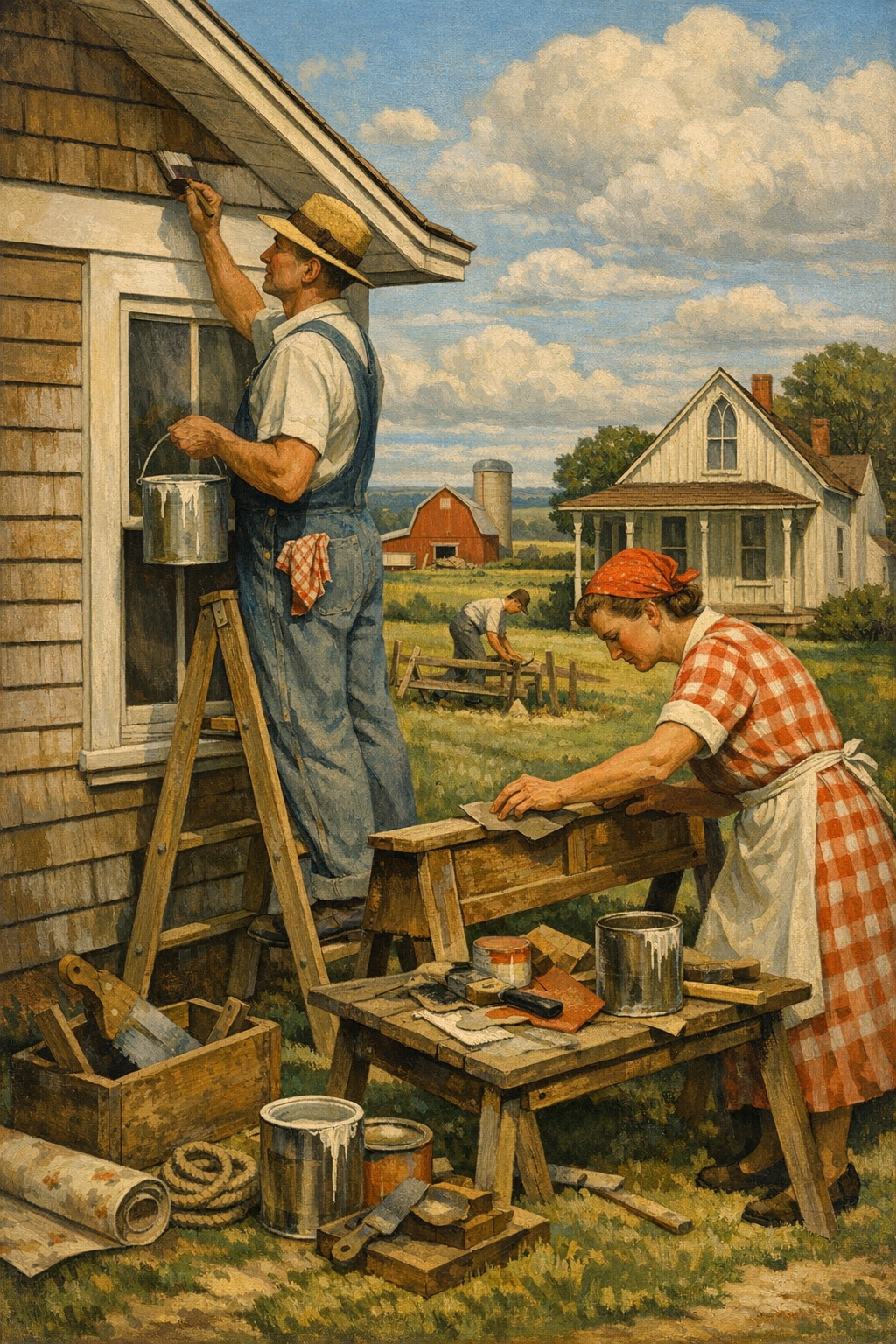
Most paint trend articles get one thing completely wrong: they obsess over a color chip and ignore the way people actually live. In 2026, paint color trends are less about chasing a viral shade and more about creating homes that feel grounded, flexible, and durable enough for real life in Denver’s bright sun, dry air, and fast-moving housing market.
Table of Contents
- Why 2026 Paint Color Trends Are More Practical Than Trendy
- The Biggest Interior Paint Color Trends for 2026
- Exterior Paint Color Trends Taking Over Denver Neighborhoods
- What the Major Paint Brands Are Signaling
- How to Choose the Right Trend for Your Home
- Why Application Matters More Than the Color Itself
- Frequently Asked Questions
Why 2026 Paint Color Trends Are More Practical Than Trendy
The biggest shift in 2026 is simple: homeowners are tired of disposable design. After years of hyper-white interiors, gray-everything flips, and social-media trend cycles that lasted about six months, people want paint colors that still look right in the morning, at night, in winter, and under Colorado’s intense daylight.
That is especially true across the Denver metro area, where architecture varies wildly from historic brick homes to new suburban builds in Aurora, modern townhomes in Glendale, and family homes in Centennial and Brighton. A paint color that looks sophisticated on a curated Instagram post can look flat, sterile, or overly yellow once it hits a real wall with western exposure.
The most relevant 2026 paint color trends are rooted in livability. That means warmer neutrals, earthy greens, nuanced blues, softened clay tones, and exterior palettes that feel architectural instead of flashy. Homeowners are also asking smarter questions about sheen, washability, VOC levels, and long-term maintenance. That is a good thing. Paint is not wallpaper for your feed. It is a finish system that has to perform.
If you are planning an update, the smartest place to start is with the room, the light, and the surface condition, not a trend board. That is why many Denver-area homeowners begin with professional color consultation before committing to a palette that may look very different once it is actually on the wall.
Why Denver changes the conversation
Colorado light is brutally honest. It reveals undertones, lap marks, drywall flaws, and cheap cut-rate paint jobs faster than softer climates do. A color that feels calm in a showroom can turn icy, pink, or muddy in a Denver living room, especially with big windows and snow-reflected winter light.
That local reality is why trend-driven decisions need to be tested against:
- Natural light direction
- Existing flooring, cabinetry, stone, and trim
- Room function and traffic level
- Desired maintenance level
- Exterior sun exposure and weathering
For homeowners researching painting services in Denver, CO, this is where professional guidance separates a polished result from an expensive repaint six months later.
The Biggest Interior Paint Color Trends for 2026
Warmth is back, but not the muddy beige of the early 2000s. The best interior paint color trends of 2026 are refined, layered, and intentionally soft. Think mineral-inspired neutrals, muted olive, smoked blue, warm off-whites, and earthy tones that create depth without making a room feel dark or heavy.
1. Warm off-whites are replacing stark whites
Bright white still has a place, but cold, clinical white walls are losing ground. Homeowners want interiors that feel cleaner and calmer, not harsher. Shades with subtle cream, greige, or beige undertones are winning because they work better with wood floors, warmer countertops, and black or bronze fixtures.
Popular directions include colors similar to Sherwin-Williams Alabaster, Benjamin Moore White Dove, and softer Behr and PPG whites that avoid the blue cast many homeowners regret after installation. These tones pair beautifully with modern trim, natural textiles, and painted cabinetry.
2. Earthy greens have moved from accent wall to whole-home color
Green is no longer the “risky” option. In 2026, it is one of the most versatile. Sage, olive, eucalyptus, and muted moss tones are dominating bedrooms, offices, mudrooms, and kitchen cabinetry. They read as restful, elevated, and surprisingly neutral when balanced with stone, white oak, matte black, or brushed brass.
The mistake amateurs make is choosing a green that is too pastel or too saturated. The strongest results come from dirty, complex greens with gray or brown depth. That complexity helps the color stay sophisticated as light changes throughout the day.
3. Soft blues are becoming the new neutral
Blue used to be treated as a “kid room” or “bathroom” color. That thinking is outdated. Dusty blue-grays and slate-adjacent blues are now acting like neutrals in dining rooms, studies, and primary bedrooms. They create mood without screaming for attention.
This is one reason premium interior painting services matter so much. Deep or nuanced blues show surface flaws, roller marks, and poor cut lines more than safe off-whites do. If the prep and application are weak, the color will expose it.
4. Clay, sand, and muted terracotta are getting more sophisticated
Homeowners are warming up to desert-inspired colors, but the good versions are subtle. The trend is not orange walls. It is soft clay, sunbaked beige, dusty tan, and mineral terracotta used with restraint. These shades work exceptionally well in homes that need warmth but cannot handle yellow undertones.
They also align with a bigger design movement toward tactile finishes, including limewash-inspired textures and matte surfaces that add softness without relying on loud color.
5. Dark trim and moody rooms are still relevant, but only when done well
Moody rooms are not dead. They are just harder to fake. Deep charcoal, brown-black, aubergine, and dark green still look exceptional in dining rooms, powder baths, libraries, and offices. But dark paint punishes bad prep. Nail pops, rough patches, caulk shrinkage, and sheen inconsistency become impossible to ignore.
| Room Type | Trending 2026 Color Direction | Recommended Finish | Why It Works |
|---|---|---|---|
| Living Room | Warm off-white or greige | Eggshell | Soft, versatile, and forgiving in changing light |
| Kitchen | Muted green, warm neutral, or soft white | Satin | Better cleanability with balanced sheen |
| Primary Bedroom | Dusty blue or earthy green | Eggshell | Creates a calm, grounded mood |
| Bathroom | Mineral blue, soft greige, or pale clay | Satin or semi-gloss trim | Handles moisture while keeping visual depth |
| Home Office | Moody green, charcoal, or muted blue | Eggshell | Improves focus and adds sophistication |
Exterior Paint Color Trends Taking Over Denver Neighborhoods
Exterior paint color trends in 2026 are getting smarter, not louder. Homeowners are moving away from high-contrast gimmicks and toward palettes that feel tied to the home’s structure, roofline, masonry, and landscape. That is especially important in Colorado, where strong UV exposure can make an aggressive palette feel even more aggressive after a few months outdoors.
Nature-based neutrals are leading the way
Warm taupe, stone gray, soft mushroom, mineral beige, and muted olive are showing up across neighborhoods because they complement both natural and manufactured materials. They work on stucco, wood, engineered siding, brick accents, and composite trim without feeling trend-chased.
Flat gray exteriors are fading fast. They often looked “modern” for about a year and then started to feel cold, generic, and disconnected from the landscape. In Denver and surrounding communities, homes usually benefit from more warmth and more material sensitivity.
Dark exteriors still work, but the details matter
Charcoal, deep bronze, and blackened green exteriors remain attractive, but they are not universal solutions. South- and west-facing elevations absorb serious heat, and darker colors can amplify surface stress if prep, caulking, primer selection, and product choice are poor. A dramatic color does not forgive a weak coating system.
That is why homeowners considering bold curb appeal upgrades should pay close attention to product quality and prep through experienced exterior painting services. Sun exposure, altitude, substrate condition, and prior coating failure all matter more outside than most trend articles admit.
Trim contrast is becoming more restrained
One of the clearest exterior shifts is the move away from extreme white trim against dark body colors. The newer approach is lower contrast: soft trim, tonal layering, stained wood accents, and front doors that add color without hijacking the whole elevation. It looks more custom because it is more architectural.
For homeowners in communities such as Centennial and nearby suburbs, balanced palettes often age better than trend-heavy combinations. If you are planning a repaint in the south metro area, exploring painting services in Centennial, CO can help you evaluate which colors will hold up visually and physically in local conditions.
The worst reason to choose a paint color is that it looked good on someone else’s house. Light, materials, elevation, and craftsmanship decide whether a color feels custom or completely wrong.
— 1 of a Kind Painting
What the Major Paint Brands Are Signaling
If you watch Sherwin-Williams, Benjamin Moore, Behr, and PPG closely, the message is consistent: the market is moving toward complex, comforting, nature-driven color. The exact “Color of the Year” may vary, but the broader direction is unmistakable.
Sherwin-Williams
Sherwin-Williams has leaned into rich neutrals, grounded greens, and nuanced earth tones that feel usable rather than theatrical. Their stronger palettes recognize that homeowners want flexibility. A living room color cannot just look current. It has to coordinate with adjacent spaces, trim packages, cabinetry, and resale expectations.
Benjamin Moore
Benjamin Moore continues to influence high-end residential interiors with balanced, designer-friendly hues that read soft but layered. Their best trend-adjacent colors tend to have subtle undertones and excellent adaptability, which makes them favorites for whole-home repaints and premium finish work.
Behr and PPG
Behr and PPG are also tracking the same consumer preference: softer warmth, natural influence, and versatile depth. Their broad retail visibility matters because it reflects what everyday homeowners are actually buying, not just what designers are posting. The mainstream market has clearly moved past icy gray.
Why brand matters less than execution
Good paint is essential, but brand alone does not save a bad process. Surface prep, moisture management, patching quality, primer compatibility, sheen selection, and application technique determine whether a beautiful color looks expensive or disappointing.
For commercial spaces, this becomes even more critical. Offices, retail environments, multifamily properties, and light industrial settings often need coatings that balance appearance, durability, low odor, and tight scheduling. That is where experienced commercial painting services can make color strategy and logistics work together instead of competing.
How to Choose the Right Trend for Your Home
Trend awareness is helpful. Blind trend adoption is expensive. The right paint color is never chosen in isolation. It has to respond to the architecture, finishes, lighting, and purpose of the space.
Start with fixed elements first
Your flooring, countertops, tile, brick, fireplace surround, and cabinetry should drive the conversation. If those elements are warm, a cool white may fight them. If your home has a lot of gray stone or black metal, a warm neutral may need enough depth to avoid looking dingy.
Test large samples in real conditions
Small chips are almost useless for nuanced colors. Paint large sample boards and move them around the room at different times of day. Morning, afternoon, evening, and lamplight can all shift the perception dramatically. If you skip this step, you are guessing.
Think in transitions, not isolated rooms
One of the biggest mistakes homeowners make is choosing each room independently. A better approach is to think in sequences. Hallways, sightlines, stairwells, and connected open-plan areas need visual flow. That does not mean every room has to match. It means the palette should make sense as you move through the home.
Know where to spend and where to simplify
Accent walls are often a distraction from bigger design problems. In many homes, it is more effective to improve trim contrast, repaint ceilings, refinish cabinets, or unify an awkward floor plan with a stronger whole-home palette. If you want to see how cohesive color planning changes a property, browse our project gallery to compare surface updates that rely on strategy, not gimmicks.
Trust reactions, not hype
A good color should keep getting better as you live with it. It should not feel exciting for one day and exhausting by the end of the week. The best trend is the one that still feels intentional a few years from now.
Why Application Matters More Than the Color Itself
This is the part the internet usually skips. Paint color trends do not fail because the colors are bad. They fail because the execution is bad. Even premium paint cannot hide poor drywall repair, dirty surfaces, rushed caulking, flashing patches, or mismatched sheen.
Prep is the real luxury
Homeowners often assume “high-end” means designer colors. It usually means something less glamorous: better sanding, sharper lines, smoother patching, cleaner masking, better primer decisions, and proper dry times. That is what makes a finish look expensive.
For exteriors, prep includes scraping failures, repairing substrate damage, sealing vulnerable joints, and choosing products that can tolerate Colorado’s freeze-thaw cycles and intense sun. For interiors, it includes stain blocking, texture blending, and understanding when to spray, brush, or roll.
Low-VOC and zero-VOC products are now standard expectations
More homeowners want lower-odor, lower-emission products, especially for nurseries, occupied homes, and commercial settings that cannot shut down for long. Fortunately, many modern low-VOC and zero-VOC paints perform well when selected correctly. Eco-conscious does not have to mean lower quality anymore. But product choice still has to match the substrate and use case.
DIY has limits that trend articles rarely admit
There is nothing wrong with a DIY spirit. But dark colors, cabinet refinishing, stairwells, exterior elevations, high-visibility trim, and large open interiors are where DIY shortcuts become obvious. Many homeowners end up paying twice: once for the initial attempt and again to fix it.
That is one reason trust matters. Before hiring any painter, look closely at finish quality, consistency, and client experience. Reading what our clients are saying can reveal whether a company communicates well, protects the property, and follows through when the details get demanding.
For painting contractors and skilled tradespeople following industry shifts, workforce quality remains a major issue. The companies that invest in craftsmanship will keep winning while the low-bid crowd keeps apologizing. If that side of the trade interests you, 1 of a Kind Painting also shares subcontractor opportunities for professionals who take the work seriously.
Frequently Asked Questions
Q: What are the most popular paint color trends for 2026?
The strongest 2026 trends include warm off-whites, earthy greens, dusty blues, mineral-inspired neutrals, and softened clay tones. These colors are popular because they feel calmer, more flexible, and more natural than the stark whites and cool grays that dominated previous years.
Q: Are gray walls still in style in 2026?
Pure cool gray is losing relevance in many homes, especially when it feels flat or sterile. Warmer grays, greiges, and more complex neutrals still work well, but they need to coordinate with the home’s lighting and fixed finishes to avoid looking dated.
Q: What exterior paint colors work best in Denver, Colorado?
In the Denver area, warm neutrals, muted earth tones, soft greiges, and carefully chosen dark colors tend to perform best visually. Colorado’s strong sun can exaggerate undertones, so exterior colors should always be tested on-site before full application.
Q: Should I follow paint trends or choose timeless colors?
The smartest approach is a blend of both. Use current trends as direction, then select colors that fit your architecture, light, and lifestyle so the result still feels right years from now rather than looking like a short-lived design experiment.
Q: Do I need a professional color consultation before painting?
If you are painting multiple rooms, updating an exterior, or working with challenging light, a professional color consultation is often worth it. It helps you avoid undertone mistakes, improves whole-home cohesion, and reduces the risk of repainting after the job is complete.
Q: Is it better to hire a painter for dark or trendy colors?
Yes, especially for deep greens, blues, charcoals, and large open walls. Trend-forward colors often reveal surface flaws and application mistakes more easily, so professional prep, priming, and finish work make a noticeable difference.
Paint color trends in 2026 are finally moving in the right direction. They are less performative, more grounded, and far better suited to the way people actually use their homes. The real winners are not the loudest colors or the most viral posts. They are the palettes that respect light, materials, architecture, and finish quality.
For homeowners across Denver, Aurora, Centennial, Glendale, and Brighton, that means choosing colors with more intention and applying them with more discipline. Whether the goal is a warmer interior, a more refined exterior, or a full-property refresh, professional process matters just as much as color selection.
1 of a Kind Painting helps clients navigate those decisions with the kind of craftsmanship that keeps trend-driven choices from becoming expensive regrets. If you are ready to test colors, compare finishes, or plan your next repaint with confidence, get in touch with our team to talk through your project.
Ready to Transform Your Space?
Whether you’re refreshing your home’s interior, updating your exterior curb appeal, or tackling a commercial repaint anywhere in the Denver metro area, 1 of a Kind Painting has the experience, craftsmanship, and attention to detail to deliver results that truly stand out.
👉 Interior Painting
|
👉 Exterior Painting
|
👉 Contact Us Today