

“Why Cabinet Painting Is Dominating Kitchen Upgrades: Your Ultimate Guide to Cabinet Painting vs. Replacement and Best Color Trends”
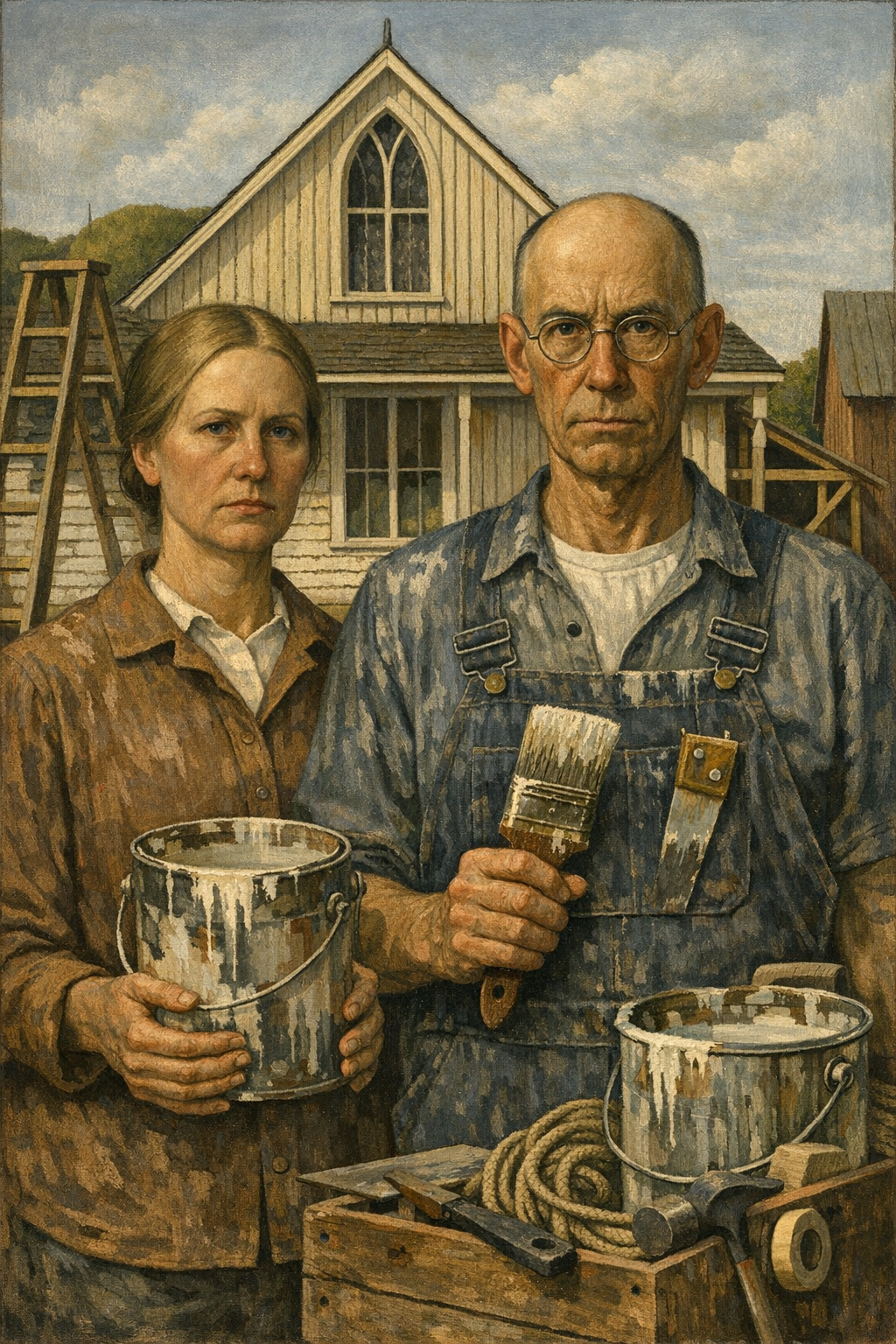
Most kitchen remodels waste money before the first hammer swings. If your layout works and your cabinet boxes are solid, cabinet painting can deliver a dramatic transformation for a fraction of the cost of replacement. Homeowners chasing “brand-new” often overlook the fact that a premium refinishing process can produce a cleaner, more current, and more design-forward result than many budget cabinet installs.
Table of Contents
- Why Cabinet Painting Is Dominating Kitchen Upgrades
- What Separates a Lasting Finish From a Quick Cosmetic Fix
- Best Cabinet Color Trends and Finish Choices Right Now
- Cabinet Painting vs. Cabinet Replacement: The Real Cost Story
- Common Cabinet Painting Mistakes Homeowners and Contractors Make
- How to Know When to Hire a Professional
- Frequently Asked Questions
Why Cabinet Painting Is Dominating Kitchen Upgrades
Cabinet painting has become one of the smartest renovation moves in residential interiors because it targets the most visible surface in the kitchen without forcing a full demolition. Homeowners want impact, but they also want control over budget, schedule, and disruption. A professionally painted cabinet system checks all three boxes.
That shift is not just about saving money. It is also about design flexibility. Painted cabinetry allows homeowners to move away from dated orange oak, tired cherry, or worn thermofoil looks and into cleaner palettes that match how kitchens are styled now. Soft whites, deep greens, warm taupes, mushroom tones, moody blues, and sophisticated black accents all work when the preparation and coatings are done correctly.
The kitchen is no longer treated as a purely utilitarian room
Design expectations have changed. Kitchens now function as entertaining spaces, homework stations, coffee bars, video-call backdrops, and resale drivers. That means cabinetry does more than store dishes. It defines the room’s visual identity. If the cabinets feel dated, the entire home feels older than it is.
This is one reason so many homeowners exploring interior painting services end up asking about their kitchen cabinets too. Walls can refresh a room, but cabinets can completely reset it.
Why replacement is often oversold
Many homeowners are pushed toward replacement before anyone seriously evaluates whether their current cabinets are structurally worth keeping. That is a mistake. If the boxes are sturdy, the doors are in decent shape, and the layout still functions, replacement can be excessive. Too many kitchens are gutted not because they need to be, but because salespeople make demolition sound like progress.
Cabinet painting is especially compelling when paired with selective upgrades like new hardware, hidden hinges, crown molding, under-cabinet lighting, or a fresh backsplash. Those targeted changes can make an existing kitchen feel custom without the chaos of a full renovation.
The painting industry’s dirty secret is that many “cabinet failures” are not paint failures at all—they are prep failures disguised as product problems.
— One of a Kind Painting
What Separates a Lasting Finish From a Quick Cosmetic Fix
Not all cabinet painting is equal. The difference between a smooth, durable factory-like finish and a chipping, greasy mess usually comes down to process, not promises. Homeowners hear terms like “refinishing,” “resurfacing,” and “painting” used interchangeably, but the real issue is whether the surfaces are cleaned, sanded, repaired, primed, and coated with materials designed for high-touch use.
Degreasing is not optional
Kitchens collect oils, hand residue, food splatter, and invisible contaminants. Skipping a proper degreasing step is one of the fastest ways to sabotage adhesion. Professionals typically use cabinet-safe cleaners or degreasers before sanding begins. Paint does not bond well to cooking residue, no matter how expensive the topcoat is.
Sanding and surface profiling matter more than people think
Glossy or previously coated doors need abrasion to create a mechanical bond. That does not always mean aggressive sanding to bare wood, but it does mean the surface must be properly dulled and profiled. Dings, chips, open grain, and old finish defects also need correction before priming. If not, they telegraph right through the final coat.
Primer selection is where professionals earn their keep
Different cabinet materials require different strategies. Oak needs grain consideration. Maple and previously painted surfaces need strong adhesion. Laminate, MDF, and factory finishes often need specialty bonding primers. This is where real product knowledge matters. Professionals may work with systems from Sherwin-Williams, Benjamin Moore, INSL-X, Renner, Centurion, or PPG depending on substrate, sheen goals, and curing conditions.
Homeowners often ask whether “paint-and-primer-in-one” products are enough. For cabinets, the answer is usually no. That category is marketed for convenience, not peak performance. Dedicated primer plus cabinet-grade enamel or a 1K/2K waterborne system generally delivers better adhesion and hardness.
Application method changes the finish quality
Brushes and rollers can work in select situations, especially on site-built cabinetry or utility spaces, but spray application is typically the benchmark for a smoother finish on doors and drawer fronts. That said, the sprayer itself does not guarantee quality. The operator, masking discipline, environmental control, and dry times matter just as much.
| Factor | DIY Shortcut Approach | Professional Cabinet Process |
|---|---|---|
| Cleaning | Light wipe-down | Full degreasing and contamination removal |
| Prep | Minimal sanding | Surface profiling, repairs, and detailed prep |
| Primer | General wall primer or none | Bonding primer selected for cabinet substrate |
| Topcoat | Standard latex paint | Cabinet-grade enamel or advanced waterborne coating |
| Finish Quality | Brush marks, softer cure | Smoother, harder, more washable finish |
| Durability | Lower resistance to chips and wear | Better performance in high-touch kitchen use |
When homeowners explore cabinet painting and refinishing, they should ask detailed questions about prep, primers, curing times, and application methods. Those answers reveal far more than a generic promise of “beautiful results.”
Best Cabinet Color Trends and Finish Choices Right Now
The era of default bright white everything is fading. White kitchens still have their place, but the more current move is layered warmth, contrast, and personality. Cabinet painting trends have shifted toward colors that feel livable, elevated, and grounded rather than sterile.
Warm neutrals are replacing cold grays
Cool gray had a long run, but many kitchens now feel better with creamy whites, greiges, taupes, mushroom tones, and sandy beige undertones. Shades from Sherwin-Williams, Benjamin Moore, and Behr that lean soft and earthy tend to pair well with natural wood floors, brass hardware, and warmer stone selections. Cold gray can make a kitchen look dated faster than homeowners realize.
Color-drenched lower cabinets and islands are still strong
Deep greens, navy, charcoal, and muted blue-gray tones continue to perform well, especially on islands or lower cabinets. These darker anchors can add sophistication without overwhelming the room. PPG and Farrow & Ball-inspired palettes have helped normalize richer cabinet colors in both classic and contemporary homes.
Two-tone kitchens work when the contrast is intentional
Two-tone cabinet painting is still highly effective, but only when it is thoughtfully balanced. A soft off-white perimeter with a dark island remains a proven formula. Upper cabinets in a lighter tone and lowers in a grounded neutral can also reduce visual heaviness. The mistake is choosing contrast just because it is trendy. Good cabinet color strategy is architectural, not random.
Finish choice matters as much as color
Most cabinet projects perform best in low-luster sheens such as satin or semi-gloss, depending on the product system and look desired. Higher sheen can highlight flaws if prep is sloppy. Lower sheen can feel richer and more current, but the coating still needs enough washability for kitchen use. The best finish is the one that balances aesthetics, maintenance, and substrate condition.
- Best for timeless kitchens: soft white, creamy neutral, light greige
- Best for bold but livable style: olive green, slate blue, dark navy
- Best for warmth: taupe, mushroom, putty, muted clay-inspired tones
- Best accent application: dark island with lighter perimeter cabinetry
For homeowners evaluating their broader home palette, it also helps to review our project gallery to compare how cabinet colors interact with wall paint, trim, flooring, and natural light.
Cabinet Painting vs. Cabinet Replacement: The Real Cost Story
Cabinet replacement is not automatically the premium option. Sometimes it is simply the more expensive option. A lot of the cost in replacement goes toward demolition, disposal, scheduling multiple trades, material lead times, and rebuilding what already worked. That can be worthwhile in a failed layout or structurally compromised kitchen. But in many homes, it is overkill.
Where cabinet painting delivers the most value
Cabinet painting makes the most sense when:
- The cabinet boxes are structurally sound
- The kitchen layout still functions well
- The doors and drawer fronts are salvageable
- You want a major visual upgrade without a full remodel timeline
- You plan to pair the project with hardware, countertop, or backsplash improvements
When replacement may be the smarter choice
Painting is not magic. If cabinets are warped, water-damaged, delaminating, poorly built, or functionally obsolete, refinishing may not be enough. Likewise, if the goal is major reconfiguration—more drawers, taller uppers, improved storage solutions—replacement may be justified. A credible painter should tell you when painting is the wrong answer.
The hidden costs people forget
Replacement usually introduces more disruption than homeowners anticipate. There may be plumbing changes, countertop removal, backsplash damage, flooring patch issues, permit questions, and long product delays. Cabinet painting is rarely “instant,” but it is usually much more predictable.
That practical value is one reason clients who first come looking at One of a Kind Painting’s professional painting services often discover that strategic refinishing can solve the visual problem without triggering a cascading renovation budget.
Common Cabinet Painting Mistakes Homeowners and Contractors Make
The market is crowded with painters who say they do cabinets but treat them like walls. That is one of the biggest problems in the industry. Cabinet painting is specialty work. It involves finer prep, stricter dust control, product knowledge, and better workflow than standard wall repainting.
Mistake 1: Using wall paint on cabinets
Standard interior wall paint is not designed for repeated handling, cleaning, and impact. Even premium wall coatings can underperform on cabinet doors. Cabinets need harder, more durable systems that cure properly and resist sticking, marring, and premature wear.
Mistake 2: Rushing reinstallation
Paint may feel dry to the touch quickly, but cure time is a different story. Doors rehung too early can stick, imprint, or chip at edges and hardware points. Dry is not cured, and confusing the two ruins more projects than homeowners realize.
Mistake 3: Ignoring environmental conditions
Temperature, humidity, ventilation, and dust all affect coating performance. Poor conditions can lead to extended dry times, finish defects, contamination, and reduced durability. Professional shops and controlled on-site setups produce better consistency because they respect those variables.
Mistake 4: Skipping hardware and hinge planning
Cabinet transformation is not only about paint. Old hinge holes, worn pulls, misaligned doors, and dated hardware can make fresh paint look incomplete. Sometimes a cabinet painting project benefits from filling old holes and drilling for updated hardware placement. That small step can change the entire feel of the kitchen.
Mistake 5: Hiring based on price alone
Cheap cabinet painting estimates often leave out steps that cannot be skipped without consequence. If one bid is dramatically lower, ask why. Fewer coats? Inferior products? Minimal prep? No door removal? No spray finish? No repair work? The lowest number on paper often becomes the highest cost in frustration.
If you want to understand who will actually be handling your project, it helps to learn more about our professional painting team and how experienced painters approach preparation, communication, and finish standards.
How to Know When to Hire a Professional
DIY cabinet painting is possible, but that does not mean it is practical for most homeowners. The internet has made cabinet refinishing look deceptively simple. What those highlight reels do not show is the labor of door labeling, hardware organization, degreasing, sanding, dust removal, priming, spraying, curing, and reinstalling without damage.
DIY works best in limited scenarios
A capable DIYer may succeed on a small vanity, laundry room cabinets, or a low-risk utility area. But a full kitchen is a different level of difficulty. It is highly visible, high use, and technically unforgiving. Minor mistakes become permanent focal points under daylight and task lighting.
Professional cabinet painting protects the investment
Hiring a professional is less about outsourcing labor and more about controlling outcome. Experienced painters understand substrate behavior, product compatibility, masking techniques, spray setup, and cure schedules. They also know when hidden issues—grease contamination, tannin bleed, swelling MDF edges, damaged veneer—require a different plan.
That same judgment is what separates strong interior work from weak exterior or commercial work as well. Whether a client is considering exterior painting services for curb appeal or commercial painting services for a business environment, the principle is the same: surface preparation and system selection drive performance.
Questions worth asking before you hire
Before choosing a cabinet painter, ask these questions:
- What cleaning and prep steps are included?
- Do you remove doors and drawers for finishing?
- What primer and topcoat system do you use?
- How do you control dust and overspray?
- What is the expected cure timeline before normal use?
- Can I see examples of recent cabinet projects?
Strong answers should be specific, not vague. If you are hearing generic sales language, keep looking. Homeowners ready to discuss their own space can get in touch with our team to talk through surfaces, color goals, scheduling, and whether painting is the right path at all.
Frequently Asked Questions
Q: How long does cabinet painting last?
A professionally executed cabinet painting project can last for many years when the cabinets are properly cleaned, prepped, primed, and coated with cabinet-grade products. Longevity also depends on how heavily the kitchen is used and whether the finish is allowed to cure fully before regular wear.
Q: Is cabinet painting cheaper than replacing cabinets?
Yes, cabinet painting is usually significantly less expensive than full cabinet replacement when the existing boxes and doors are structurally sound. It also reduces demolition, waste, and project disruption while still delivering a major visual transformation.
Q: What type of paint is best for kitchen cabinets?
The best choice is typically a cabinet-grade enamel or advanced waterborne coating system designed for adhesion, hardness, and washability. Standard wall paint is usually not durable enough for cabinets, especially in kitchens with heavy daily use.
Q: Can laminate or MDF cabinets be painted?
Yes, laminate and MDF cabinets can often be painted successfully, but they require the right preparation and bonding primers. These materials are less forgiving than solid wood, so product selection and prep quality are critical to long-term performance.
Q: How long does cabinet painting take?
The timeline depends on kitchen size, repair needs, and the coating system used, but most professional projects take several days rather than a single weekend. The visible work may finish quickly, but full curing continues after installation and should be respected.
Q: Should I paint my cabinets myself or hire a professional?
DIY can work for small or low-risk cabinet projects, but most kitchens benefit from professional cabinet painting because the process is prep-heavy and finish-sensitive. A professional can deliver a smoother appearance, stronger durability, and fewer costly mistakes.
Cabinet painting is not a compromise when it is done correctly. It is a strategic upgrade that respects what already works, improves what the eye notices first, and avoids unnecessary renovation chaos. The strongest projects combine technical discipline with smart design choices: proper prep, the right coatings, realistic timelines, and colors that fit the architecture instead of chasing trends blindly.
For homeowners who want a kitchen that feels current without wasting money on avoidable replacement, the path is often clearer than the remodeling industry admits. A professional evaluation can tell you whether your cabinets are good candidates, which finish system makes sense, and what details—hardware, sheen, repairs, surrounding wall color—will make the final result look intentional and polished. If you want more insight on painting strategy, you can always read more on our blog.
At One of a Kind Painting, we understand that cabinet work demands more precision than a standard repaint. From kitchens and built-ins to broader residential updates, our team approaches every project with the prep standards, product knowledge, and craftsmanship required to deliver results that hold up in real life. If you are ready to explore options for your own space, you can request a free estimate and start with clear, practical guidance.
Ready to Transform Your Space?
Whether you’re refreshing your home’s interior, updating your exterior curb appeal, or tackling a full commercial repaint, One of a Kind Painting has the experience, craftsmanship, and attention to detail to deliver results that truly stand out.
👉 Explore Our Services
|
👉 Contact Us Today
|
👉 Get a Free Estimate