

Warm, Earthy Interiors Win in Denver 2026: How to Choose Color, Finish, and Prep That Stand Up to Light and Life
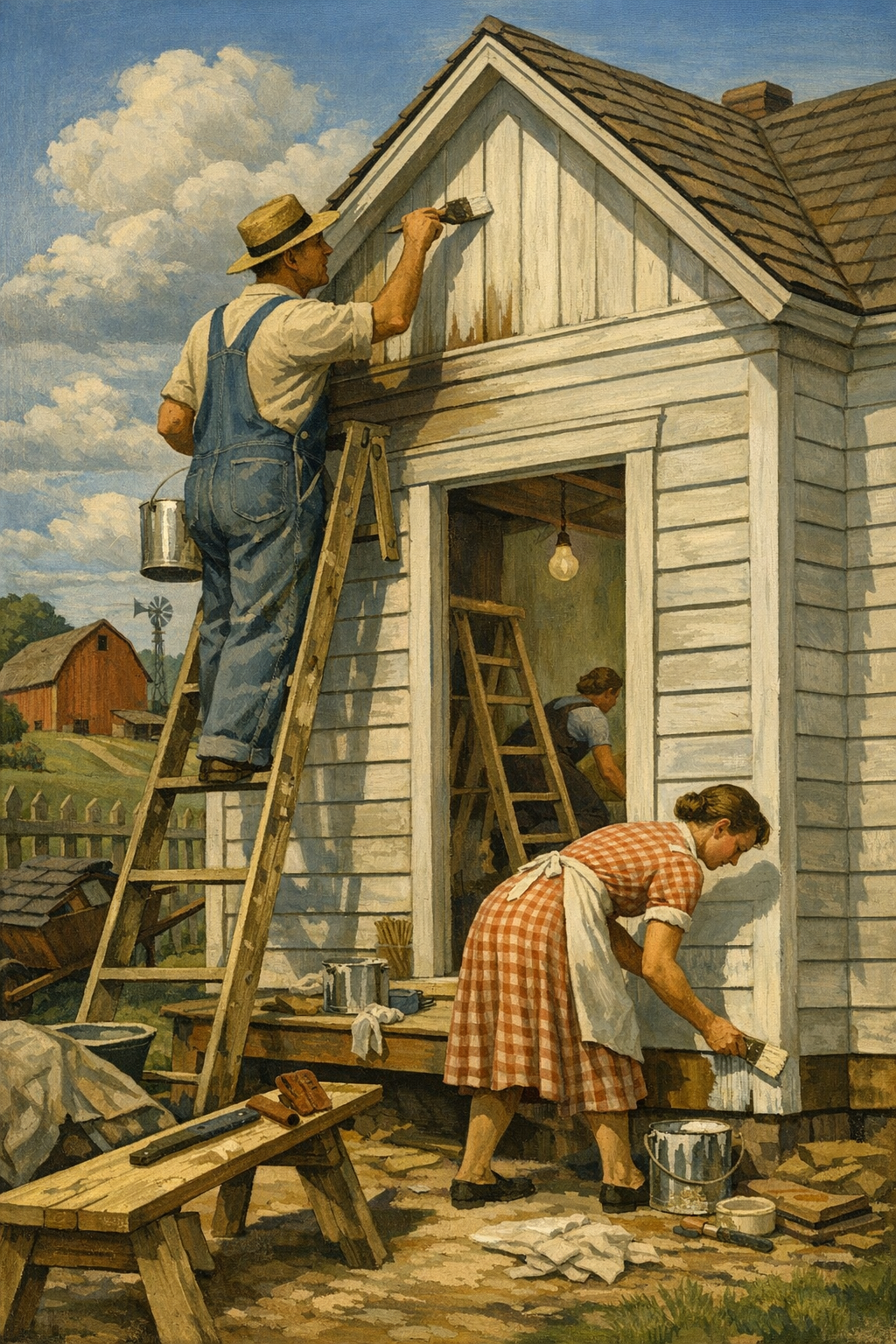
Most paint jobs don’t fail because of bad paint colors—they fail because homeowners chase trends without understanding how those colors actually live in a room. The biggest shift in interior paint color trends right now is away from cold, safe neutrals and toward warmer, more grounded palettes that feel better in real Denver homes, not just on social media. If you are planning a repaint in 2026, the smart move is not copying a showroom wall—it is choosing color, finish, and application strategy that fit your light, architecture, and daily life.
Table of Contents
- Why Warm, Earthy Interiors Are Winning
- The 2026 Paint Colors Homeowners Are Actually Using
- How Denver Light Changes Everything
- The Finishes, Surfaces, and Prep Work That Make Color Look Expensive
- Where Bold Color Belongs—and Where It Usually Goes Wrong
- DIY vs. Professional Painting for Trend-Driven Interiors
- Frequently Asked Questions
Why Warm, Earthy Interiors Are Winning
The era of icy gray walls is not just fading—it is being actively replaced. Homeowners are realizing that cool grays, especially the blue-leaning versions that dominated the 2010s, can make living spaces feel flat, sterile, and oddly lifeless. That is especially true in Colorado, where intense natural light can exaggerate undertones and make the wrong neutral look harsher than expected.
The new direction is warmer, softer, and more architectural. Think clay, mushroom, greige, muted olive, creamy white, dusty terracotta, and complex taupes that shift throughout the day. Major brands like Sherwin-Williams, Benjamin Moore, Behr, and PPG have all leaned into this movement because it reflects how people actually want their homes to feel: calm, grounded, and less disposable.
Why the trend has staying power
Warm neutrals and earthy colors are not a short-term fad because they solve real design problems. They work with wood floors, mixed metals, stone surfaces, and both modern and traditional furniture. They also layer well with accent colors, which means a homeowner can update décor without repainting every two years.
- Warm whites soften natural daylight instead of fighting it
- Greige and taupe bridge cool and warm finishes
- Muted greens bring color without visual chaos
- Earth reds and clay tones add depth in dining rooms, offices, and powder rooms
For homeowners considering a full-home update, this is where professional planning matters. A trend color on one wall chip is meaningless if the full palette does not transition properly from entry to hallway to living room. That is exactly where professional color consultation becomes far more valuable than guessing from online inspiration boards.
The 2026 Paint Colors Homeowners Are Actually Using
Paint trend articles often make one big mistake: they talk about “color of the year” picks as if homeowners repaint entire homes around a headline. They do not. What matters is which color families are proving versatile, livable, and resale-friendly while still feeling current.
Warm whites that do not look yellow
Homeowners still want light walls, but they want them with depth. Shades similar to Sherwin-Williams Alabaster, Benjamin Moore White Dove, and other soft off-whites remain popular because they create a clean backdrop without the starkness of pure bright white. In open-concept homes, these shades often outperform trendier colors because they make transitions between rooms feel intentional.
Greige is evolving, not disappearing
Greige is still relevant, but the best versions now have more body and less chill. The strongest performers are those that lean toward mushroom, linen, or putty rather than silver. That subtle change is the difference between a room feeling designed and a room feeling rented.
Muted green is the safest bold choice
From kitchens to studies to bedroom accent walls, muted green continues to gain traction. Think sage, olive-gray, eucalyptus, and smoky green rather than bright botanical tones. These colors pair beautifully with natural wood cabinetry, black fixtures, brass hardware, and creamy trim.
Clay, rust, and terracotta are moving upscale
Used carefully, these tones feel rich and custom rather than heavy. They work especially well in powder rooms, dining spaces, and feature walls where a little more personality is welcome. Combined with matte finishes and textured materials, they create an intentionally collected look.
Blue is becoming more selective
Blue is not gone, but it is being used more strategically. Deep blue-green, stormy navy, and soft mineral tones are outperforming bright coastal blues in the Denver market. That is because they feel more sophisticated and better suited to four-season interiors.
If you want to see how current palettes translate into real residential results, browsing our project gallery is far more useful than staring at generic stock photography. Real homes tell the truth about color.
The best trend color is the one that still looks right at 7 a.m., 2 p.m., and 9 p.m.—not just under perfect influencer lighting.
— 1 of a Kind Painting
How Denver Light Changes Everything
Denver-area homes do not experience color the same way homes in Seattle, Chicago, or Atlanta do. Higher elevation, strong sunlight, and dramatic daily light shifts can make paint appear brighter, flatter, or more contrasty than expected. That is one reason homeowners in neighborhoods across Denver, Centennial, Glendale, Brighton, and Aurora often feel blindsided after choosing a seemingly safe color.
South-facing rooms can wash out subtle shades
A soft beige or pale greige may look beautiful on a sample card but feel nearly white on a sun-drenched wall. In those spaces, slightly deeper tones often produce the balanced effect people were originally chasing.
North-facing rooms expose undertones fast
Cooler natural light can pull gray, green, or violet undertones to the surface. This is where cheap sample decisions become expensive repaint decisions. If a neutral is even slightly off, north light will expose it.
Open-concept homes need palette discipline
Many newer homes throughout the metro area have long sightlines. That means colors are not experienced one room at a time. A paint choice in the kitchen affects the living room, hallway, and stairwell whether you intended it to or not. Coordinated transitions matter more than ever.
That is why homeowners looking for painting services in Denver, CO should think beyond isolated room colors and plan whole-home flow. A technically sound palette feels effortless because every surface works together, including trim, ceilings, doors, and built-ins.
Exterior light influences interior perception too
Homes with lots of reflected light from snow, concrete, neighboring structures, or expansive windows can shift color perception inside. Even landscaping matters. Green reflections from mature trees and warmer reflections from nearby brick can subtly alter wall color throughout the day.
That local complexity is one reason professionally executed interior painting services consistently outperform rushed, one-weekend repaints. Getting color right is not only about taste. It is about lighting, finish, prep, and application quality working together.
The Finishes, Surfaces, and Prep Work That Make Color Look Expensive
Bad prep can ruin a great color faster than bad taste. This is the part of the industry many contractors underplay because it takes time, labor, and discipline. But if walls are patched poorly, sanded inconsistently, or painted with the wrong sheen, even premium paint from Farrow & Ball, Benjamin Moore, or Sherwin-Williams will look second-rate.
Sheen choice matters more than people think
Color is only half the story. Sheen determines how light hits the wall, how flaws read, and how washable the surface becomes. The wrong sheen can make a carefully selected color feel cheap or overly reflective.
| Area | Best Common Sheen | Why It Works |
|---|---|---|
| Living rooms and bedrooms | Eggshell | Soft finish with light durability and low glare |
| Hallways and family rooms | Satin | Better cleanability for high-traffic walls |
| Bathrooms and laundry rooms | Satin or semi-gloss in select areas | Handles moisture and frequent wiping |
| Trim, doors, and baseboards | Semi-gloss | Creates crisp contrast and durability |
| Ceilings | Flat | Minimizes reflection and hides imperfections |
Surface prep is where professionals earn their keep
Proper prep includes filling dents, repairing drywall damage, caulking gaps, deglossing when needed, spot priming stains, sanding transitions smooth, and managing dust before finish coats go on. That sounds basic, but many paint crews still rush it. The result is a job that looks decent for two weeks and disappointing for five years.
Low-VOC products are now the baseline, not a bonus
Eco-conscious paint choices are no longer niche. Low-VOC and zero-VOC products from major manufacturers have improved dramatically in coverage, durability, and color depth. For occupied homes, especially those with kids, pets, or sensitive occupants, these products are often the smarter default. The idea that environmentally preferable paint means weaker performance is outdated.
Texture and specialty finishes are back—but only when used with restraint
Limewash, Roman clay, Venetian plaster, and other decorative finishes are seeing renewed interest because they add movement and softness that flat paint alone cannot create. But here is the hard truth: most rooms do not need them. Specialty finishes are most effective as focal elements, not as blanket solutions. Overuse quickly turns sophisticated texture into design noise.
Interior trends often spill outdoors too. Homeowners modernizing their indoor palette frequently realize their curb appeal no longer matches the updated interior, which is why many projects naturally extend into exterior painting services for trim, siding, stucco, or front-door upgrades.
Where Bold Color Belongs—and Where It Usually Goes Wrong
Bold color is not the problem. Indiscriminate bold color is. When homeowners say they are afraid of strong paint colors, what they usually mean is they have seen too many bad applications of them.
Best places for saturated color
Bold colors tend to perform best in spaces with a clear function and a contained footprint. That includes:
- Powder rooms where high contrast feels intentional
- Dining rooms where mood and depth matter
- Home offices where color can shape focus and identity
- Cabinetry and built-ins where color adds custom character
- Front doors where a strong hue boosts curb appeal fast
Where bold color often fails
Huge open living areas, low-light basements, and rooms with too many competing finishes are common trouble spots. Strong color in those spaces can feel oppressive or disconnected unless the entire palette is planned around it. Social media often shows dramatic paint moments without revealing the broader context, and that is how expensive mistakes get normalized.
Cabinets are a smarter place to get adventurous
Cabinet painting remains one of the strongest value plays in residential remodeling. Deep green, charcoal, navy, warm white, and mushroom tones can transform kitchens and bathrooms without the cost of full replacement. But cabinet work is also where weak workmanship gets exposed instantly. Adhesion, cleaning, degreasing, sanding, and the right bonding primer are not optional.
Commercial spaces are seeing a similar shift. Offices, boutiques, and hospitality interiors are moving away from generic builder beige and toward brand-driven color stories that support mood, customer perception, and wayfinding. For businesses considering strategic updates, professionally planned commercial painting services can do more than refresh walls—they can reshape how a space performs.
DIY vs. Professional Painting for Trend-Driven Interiors
DIY painting is not automatically a bad idea. But trend-driven painting is less forgiving than people assume. The more nuanced the color, the more obvious sloppy cutting, roller lap marks, flashing, or poor surface prep become. Warm neutrals, dark accent walls, and specialty finishes all demand better technique than basic off-white repaints.
When DIY can work
A simple bedroom with sound walls, limited trim detail, and a straightforward eggshell finish can be a realistic DIY project for a careful homeowner. The key word is careful. Good results still require proper prep, quality tools, enough paint, and patience between coats.
When hiring a professional is the smarter move
Professional help is usually worth it when you are dealing with:
- Open-concept spaces with visible transitions
- Dark or highly pigmented colors
- Cabinet refinishing or trim-intensive rooms
- Drywall damage, stains, smoke, or water issues
- Occupied homes where speed and cleanliness matter
There is also a trust factor. Homeowners hiring painters are not just buying labor. They are buying judgment, process, product knowledge, and accountability. Reading what our clients are saying is often the fastest way to separate true professionals from low-bid operators who cut corners on prep, materials, and crew quality.
The cheapest bid is often the most expensive outcome
This industry still has a pricing problem. Too many contractors win jobs by minimizing prep, using watered-down scopes, or skipping critical details until the homeowner notices issues later. That is not savings. It is deferred disappointment. Quality painting looks simple only because skilled crews do the complicated parts well.
That standard matters across the metro area, whether someone is updating a historic home in central neighborhoods, a newer build in the suburbs, or a family property needing modernized finishes through painting services in Centennial, CO. Local conditions, architecture, and light all influence the final result.
Frequently Asked Questions
Q: What are the most popular interior paint colors right now?
The strongest interior paint color trends are warm whites, greige, taupe, muted green, and earthy clay tones. Homeowners are moving away from cold gray and toward colors that feel softer, more natural, and easier to live with over time.
Q: Do paint colors look different in Denver homes?
Yes. Denver’s strong sunlight and high-altitude light can make colors look brighter, flatter, or more contrasty than expected. Undertones also show up faster, which is why sampling and room-specific color planning matter so much in this market.
Q: Is eggshell or satin better for interior walls?
Eggshell is often best for living rooms and bedrooms because it offers a soft look with moderate durability. Satin works better in hallways, kids’ spaces, and other higher-traffic areas where easier cleaning matters more.
Q: Are low-VOC paints worth it?
Absolutely. Modern low-VOC and zero-VOC paints offer excellent performance, wide color availability, and fewer odor concerns during application. For occupied homes, they are often the smartest choice rather than a premium add-on.
Q: How do I choose a paint color that will not go out of style quickly?
Choose colors with balanced undertones that work with your flooring, fixed finishes, and natural light instead of chasing dramatic trend picks. Warm neutrals, soft greens, and layered off-whites tend to hold up well because they are flexible and timeless.
Q: Is hiring a professional painter worth it for interior repainting?
For simple rooms, DIY can work, but professional painting is usually worth it when color accuracy, clean lines, repairs, trim detail, or long-term durability matter. A quality crew also saves time, reduces disruption, and avoids expensive repaint mistakes.
The smartest interior paint projects in 2026 are not the loudest ones—they are the most intentional. Warm, layered color palettes are winning because they create comfort without feeling dull, and because they adapt better to the way people actually use their homes. When color selection, sheen, prep, and lighting are handled together, the result feels elevated rather than trendy.
For homeowners across the Denver metro area, that means treating paint as a design system, not a last-minute finish. Whether you are updating a single room, repainting an entire home, or pairing interior changes with exterior improvements, experienced craftsmanship still makes the difference between a color that merely covers and one that truly transforms. If you are weighing options or ready to start, get in touch with our team to talk through your goals, timeline, and space.
1 of a Kind Painting brings the kind of detailed planning and execution these projects demand, from nuanced color selection to meticulous prep and polished final coats. Homeowners looking for lasting results—not rushed shortcuts—can rely on a process built around clarity, professionalism, and finishes that look right long after the trend cycle moves on.
Ready to Transform Your Space?
Whether you’re refreshing your home’s interior, updating your exterior curb appeal, or tackling a commercial repaint anywhere in the Denver metro area, 1 of a Kind Painting has the experience, craftsmanship, and attention to detail to deliver results that truly stand out.
👉 Interior Painting
|
👉 Exterior Painting
|
👉 Contact Us Today