

Here are three strong headline options you can choose from: – Denver 2026 Paint Color Trends: Warmer, Moodier Palettes That Turn Homes Into Architectural Statements – From Beige to Bold: How 2026 Paint Colors in Denver Create Warmth, Depth, and Design Finesse – Why Denver Homes are Embracing Warmer Neutrals and Moody Blues in 2026 Paint Trends (And How to Use Them)
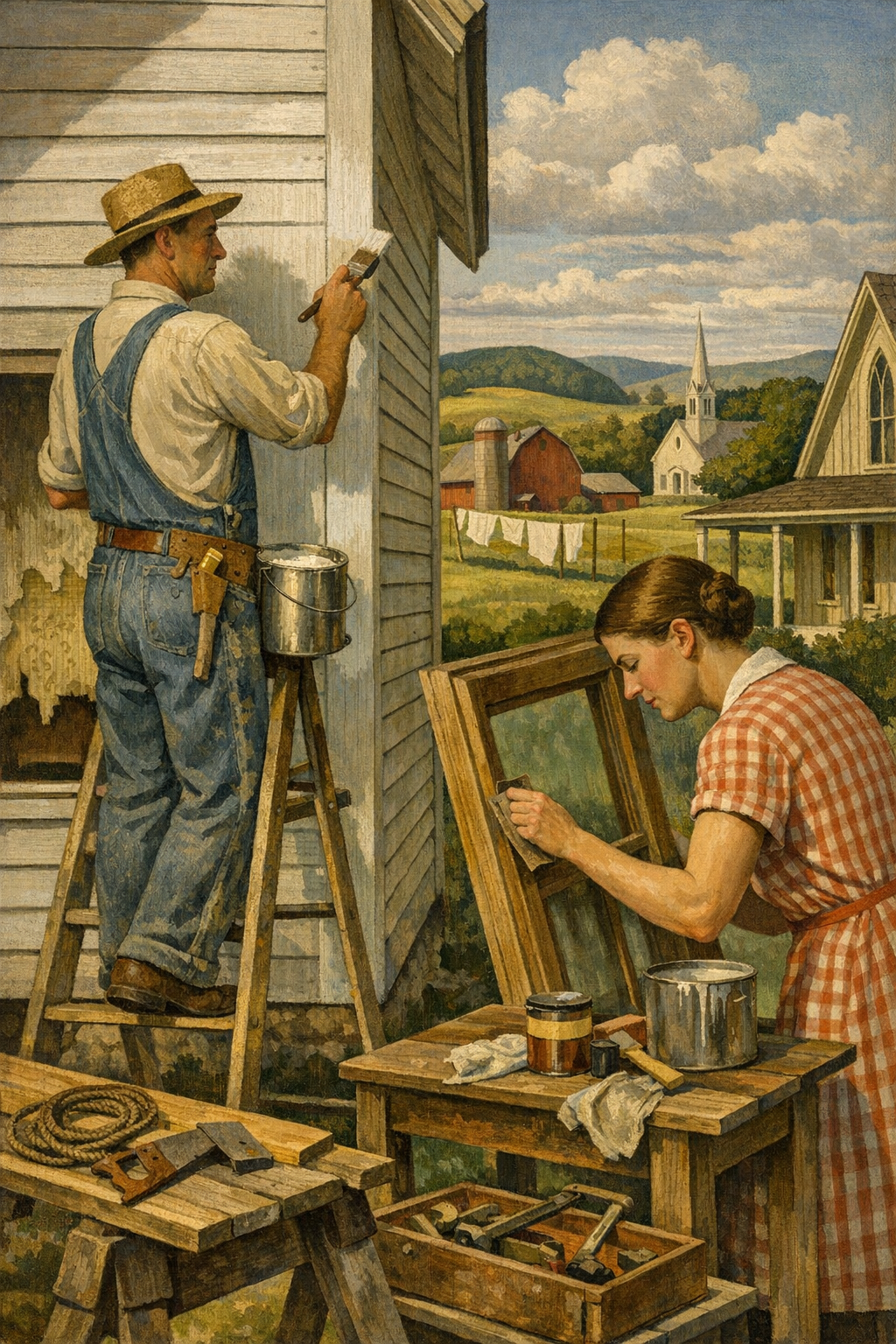
Most homes don’t look outdated because they’re old; they look outdated because their paint colors are playing defense instead of making a statement. The biggest paint color trends 2026 are moving away from safe-but-forgettable beige and toward warmer, moodier, more architectural choices that actually change how a room feels. In the Denver metro area, where intense sunlight, open-concept layouts, and indoor-outdoor living all shape design decisions, color selection is no longer a minor detail—it’s the finish line between average and exceptional.
Table of Contents
- Why 2026 Paint Color Trends Are Warmer, Richer, and More Intentional
- The Top Interior Paint Colors Homeowners Are Actually Choosing
- How Denver Light Changes Everything
- Where These Color Trends Work Best in Real Homes
- What the Paint Industry Still Gets Wrong About Trendy Colors
- Professional Application Matters More Than the Color Chip
- Frequently Asked Questions
Why 2026 Paint Color Trends Are Warmer, Richer, and More Intentional
The conversation around paint has changed. For years, homeowners were pushed toward hyper-neutral, ultra-safe palettes that photographed well but often felt lifeless in person. That era is fading fast. The dominant paint color trends in 2026 are warmer, more grounded, and more emotionally intelligent.
Major manufacturers like Sherwin-Williams, Benjamin Moore, Behr, and PPG have all been signaling the same broad direction: soft earthy colors, atmospheric blues, muted greens, clay-inspired neutrals, and deeper grounding accents. That doesn’t mean every room needs to be dark or dramatic. It means people want their homes to feel curated rather than generic.
The trend is less about “bold” and more about “believable”
Many homeowners hear the word “trend” and imagine flashy colors they’ll regret in a year. That’s the wrong lens. The strongest 2026 palettes are not gimmicky. They’re rooted in natural materials, wellness design, and a reaction against cold gray overload. Think:
- Warm whites instead of stark whites
- Mushroom and greige-taupe blends instead of flat gray
- Sage, olive, and eucalyptus greens instead of minty pastels
- Dusty blue-grays and stormy blue-greens instead of bright nautical blues
- Terracotta, clay, and muted rust accents instead of loud orange statements
These colors work because they bring softness and depth without feeling chaotic. In practice, they pair well with oak floors, black windows, brass hardware, natural stone, and the mixed-metal finishes that still dominate kitchen and bath design.
Why homeowners are rejecting the old gray formula
Cool gray had a long run, but much of it was a design shortcut, not a design strategy. In many homes, especially in Colorado, cool gray walls can read sterile under strong daylight and flat under LED lighting at night. That’s why more homeowners are turning to warmer undertones that create comfort without sacrificing sophistication.
If you’re planning a repaint and want guidance beyond a tiny fan deck square, a professional color consultation can prevent the single most common mistake in residential painting: choosing a color in theory rather than in the actual room where it has to live.
The Top Interior Paint Colors Homeowners Are Actually Choosing
Let’s get specific. The most in-demand paint color trends 2026 can be grouped into a few practical categories. These are not abstract design ideas; these are the kinds of colors homeowners are using in living rooms, kitchens, bedrooms, offices, and whole-home repaints.
1. Warm off-whites that don’t feel clinical
Stark white is losing ground because it can feel harsh, especially in homes with intense natural light. Homeowners are leaning into creamy whites and nuanced off-whites such as Sherwin-Williams Alabaster, Benjamin Moore White Dove, and similar shades with a touch of warmth. These tones still feel clean, but they don’t punish the room.
They’re especially effective in open floor plans where the wall color needs to flow through multiple spaces without becoming invisible.
2. Greige is back—but smarter this time
Not all neutrals are equal. The best 2026 greiges are richer, softer, and less cold than the builder-grade colors that dominated years past. Homeowners are choosing shades with taupe, mushroom, or putty undertones because they create dimension and pair beautifully with wood cabinetry, textured fabrics, and matte black accents.
These colors are ideal for whole-home repaints because they provide flexibility without looking generic. For homeowners considering interior painting services, this category often offers the safest balance between trend-forward and timeless.
3. Green is now a core neutral
Muted green is no longer an “accent color”—it’s becoming a foundational design choice. Soft sage in bedrooms, olive in powder rooms, and smoky green in cabinetry all feel current because they connect interiors to nature without becoming overly rustic. Denver-area homes in particular benefit from these tones because they complement the region’s landscape, stone, and wood-heavy architecture.
4. Blue is going moodier and more architectural
Forget bright beach-house blues. The modern version is more complex: dusty slate, stormy blue, blue-green, and mineral-inspired tones that shift with the light. These colors are especially effective in dining rooms, offices, and primary bedrooms where a little depth makes the space feel more intentional.
5. Earth tones are replacing “safe” accent walls
Accent walls used to be a default move. Too often, they felt random. The better alternative in 2026 is to use richer earth tones in places that deserve definition: a library wall, built-ins, a dining nook, mudroom cabinetry, or a powder room. Clay, cinnamon, adobe, caramel, and muted rust can all work beautifully when they’re balanced with the right trim, flooring, and lighting.
| Color Family | Best Rooms | Why It Works in 2026 | Watch Out For |
|---|---|---|---|
| Warm Off-White | Living rooms, hallways, open layouts | Feels clean without looking sterile | Can turn yellow if paired with overly warm lighting |
| Greige / Mushroom | Whole-home repaints, bedrooms, basements | Flexible and sophisticated | Wrong undertone can look muddy |
| Sage / Olive Green | Bedrooms, bathrooms, kitchens | Grounded, calming, nature-driven | Can feel dull in low-light rooms if undersaturated |
| Dusty Blue / Blue-Green | Offices, dining rooms, primary suites | Adds depth and architectural character | Can read too cool if trim is stark white |
| Clay / Terracotta Accent | Powder rooms, niches, built-ins | Warm, distinctive, high-design look | Easy to overdo in large spaces |
How Denver Light Changes Everything
Homeowners in Colorado often underestimate one major factor: paint colors do not behave the same way in Denver as they do in flatter, cloudier, or more humid climates. The region’s bright elevation light can expose undertones instantly. A gray that looked sophisticated on a sample card may suddenly read blue. A beige can go peach. A white can feel almost blinding at midday.
Natural light is your biggest design partner—or your biggest critic
In the Denver metro area, large windows and abundant sunlight are design assets, but they also create less room for error. South-facing rooms can intensify warmth. North-facing rooms can flatten already cool colors. East and west exposures create dramatic shifts from morning to evening.
That’s why paint color trends 2026 must be interpreted locally. A shade that works beautifully in a catalog photo may need to be adjusted for your specific home in Aurora, Centennial, Glendale, or Brighton. If you’re comparing palettes for a Front Range property, local experience matters just as much as brand reputation.
Homeowners looking for painting services in Denver, CO are often surprised by how much the final result depends on light direction, sheen choice, and surface texture—not just the color itself.
Exterior color trends are shifting too
Although this article focuses on interiors, exterior palettes are moving in a parallel direction: warmer whites, richer charcoal accents, olive undertones, and more natural body colors that work with stone, brick, and native landscaping. The old formula of bright white with black trim still has a place, but it’s no longer the only luxury option.
For homeowners updating curb appeal alongside interior spaces, exterior painting services should be planned as part of a broader color strategy rather than an isolated project.
The biggest painting mistake homeowners make is treating color like decoration when it actually functions like architecture.
— 1 of a Kind Painting
Where These Color Trends Work Best in Real Homes
Good color selection is not about chasing whatever shade is hottest on social media. It’s about placing color where it improves the room’s purpose, scale, and atmosphere. That’s where trend becomes value.
Living rooms and open-concept areas
Warm off-whites, mushroom tones, and nuanced greiges dominate here because they create continuity without draining the room of personality. In open layouts, one wrong undertone can make the entire main floor feel disconnected. Softer warm neutrals keep kitchens, dining areas, and family rooms visually tied together.
Kitchens and cabinets
Cabinet color is where homeowners are getting more confident. Painted cabinetry in muted green, soft blue-gray, or warm taupe continues to gain traction. This works particularly well when paired with quartz counters, aged brass hardware, or natural wood islands. A trendy cabinet color can elevate the room, but only when the prep, primer, and topcoat system are handled correctly.
If you want to see how dramatic a professional transformation can be, browse our project gallery. Before-and-after work tells the truth faster than any color swatch ever will.
Bedrooms and primary suites
Bedrooms are becoming softer, moodier, and more restful. Sage, muted blue-green, warm taupe, and cozy off-white tones are popular because they support lower visual stress. People are no longer designing bedrooms to impress guests; they’re designing them to recover from the day.
Bathrooms and powder rooms
This is where homeowners are taking smart risks. Powder rooms are ideal for dramatic earth tones, saturated green, or moody blue because the smaller footprint can handle more personality. The key is balance: good lighting, thoughtful sheen selection, and crisp lines around trim and tile transitions.
Home offices
Remote and hybrid work permanently changed home office design. These rooms are no longer afterthoughts. More homeowners are choosing colors with a little gravity—dusty blue, olive gray, or deep taupe—because they create focus and photograph well on video calls without looking cold.
What the Paint Industry Still Gets Wrong About Trendy Colors
Too many painters still talk about color as if the hard part is choosing the shade. It isn’t. The hard part is choosing the right shade for the right substrate, light, finish, and adjacent materials—and then applying it well enough that the color reads the way it was intended.
Sample cards are not decision tools
A one-inch printed swatch is useful for narrowing options, not making a final call. Real color testing should involve large painted samples or peel-and-stick samples observed across different times of day. This sounds obvious, yet countless disappointing paint jobs start with a rushed decision made under store lighting.
Cheap paint can sabotage expensive design
Not every project requires the most expensive coating on the shelf, but bargain paint often creates more labor, weaker coverage, poorer washability, and less consistent finish. That false economy is especially painful with trendy colors, which often have more complex pigments and require better hiding performance.
Brands like Sherwin-Williams Emerald, Benjamin Moore Regal Select, and other premium low-VOC interior lines continue to be popular for a reason. They tend to level better, hold color more consistently, and stand up better in high-contact zones.
Sheen mistakes ruin otherwise great color choices
The wrong sheen can exaggerate drywall flaws, create glare, or make a refined color look plastic. Flat and matte finishes have become more popular in main living areas because they create a more elevated look, while eggshell and satin still have their place in rooms needing a little more durability. The best color in the wrong sheen is still the wrong finish.
DIY confidence often collapses at the prep stage
Many homeowners can roll paint onto a wall. Fewer can properly patch, sand, caulk, prime, cut clean lines, maintain wet edges, manage flashing, and understand when a surface needs specialty products. That gap is exactly why professionally painted rooms look sharper, last longer, and create cleaner color presentation.
When people compare hiring a pro versus doing it themselves, trust matters. Reading what our clients are saying often reveals the same pattern: homeowners expected paint, but what they really valued was the finish quality, communication, and problem-solving behind it.
Professional Application Matters More Than the Color Chip
Paint color trends 2026 may get the attention, but execution decides whether the finished room feels high-end or half-done. Professional painting is less about speed and more about control.
Surface prep creates the real luxury look
Nail pops, minor dents, rough texture transitions, hairline cracks, failed caulk lines, and patch flashing all become more visible with today’s refined neutrals and moody colors. Sophisticated palettes demand disciplined prep. Without it, the room can look tired even with brand-new paint.
Modern colors demand better cut lines and cleaner transitions
Warm whites, green-grays, and deep accent colors expose sloppiness fast. Wavy lines at ceilings, heavy brush marks on trim, and uneven roller texture can make a premium color feel amateur. That’s one reason homeowners turn to experienced crews for projects that involve trim contrast, cabinetry, stairwells, vaulted ceilings, or whole-home repaints.
Commercial spaces are following the same logic
This shift isn’t limited to houses. Offices, retail interiors, hospitality spaces, and tenant improvements are also moving toward warmer and more brand-conscious environments. If a workspace still relies on lifeless gray walls and harsh fluorescent logic, it’s already behind. Businesses wanting more polished results often benefit from dedicated commercial painting services that understand durability, scheduling, and presentation.
Local expertise beats trend chasing
A painter who understands Denver-area housing stock, climate, and light conditions can save homeowners from expensive missteps. Whether the property is a historic home in Glendale, a newer build in Brighton, or a remodel in Centennial, local context shapes the right paint strategy.
That’s why broad trend awareness should be paired with site-specific execution. A great painter doesn’t just know what’s popular. A great painter knows what will actually work in your space.
Frequently Asked Questions
Q: What are the biggest paint color trends for 2026?
The biggest paint color trends 2026 include warm off-whites, mushroom-toned neutrals, muted sage and olive greens, dusty blue-greens, and earthy clay-inspired accents. These colors are popular because they create more depth and comfort than the cooler grays that dominated previous years.
Q: Are gray paint colors out of style?
Not completely, but many cool grays are losing favor. Homeowners are moving toward warmer gray-beige blends, taupes, and softer greiges because they feel more natural and less sterile, especially in bright homes with lots of daylight.
Q: What paint colors work best in Denver homes?
Denver homes often benefit from colors with balanced undertones because the region’s strong natural light can exaggerate coolness or warmth. Warm whites, greige, muted greens, and soft blue-grays usually perform well, but they should always be tested in the actual room before final selection.
Q: Should I use the same paint color throughout my whole house?
A whole-home color can work very well, especially in open-concept layouts, but it should be chosen carefully. Many homeowners use one main neutral for flow and then add distinct supporting colors in bedrooms, bathrooms, offices, or feature areas for more personality.
Q: Is it worth hiring a professional painter for trendy colors?
Yes, especially if the project involves nuanced neutrals, dark accent colors, cabinetry, or detailed trim work. Trend-forward colors often reveal surface flaws, roller marks, and poor cut lines more easily, so professional prep and application make a noticeable difference.
Q: What is the best way to test a paint color before committing?
Use large painted sample boards or high-quality peel-and-stick samples and view them in morning, afternoon, and evening light. Compare them next to flooring, countertops, cabinets, and trim, because surrounding materials can change how the color is perceived.
The real lesson from paint color trends 2026 is simple: homeowners want more than a fresh coat. They want spaces that feel warmer, smarter, and more aligned with how they actually live. That means choosing color with intention, respecting the influence of light, and refusing the old one-size-fits-all neutral formula that made so many homes feel interchangeable.
For homeowners across Denver and surrounding communities like Centennial, Glendale, Brighton, and Aurora, the best results come from combining trend awareness with disciplined craftsmanship. A well-painted room should do more than look current for a season—it should feel right every day you walk into it.
If you’re ready to update your home with colors that feel current without feeling disposable, 1 of a Kind Painting brings the local experience, product knowledge, and finish quality needed to get it right the first time. Whether you’re planning a full interior refresh, coordinating exterior updates, or simply trying to avoid an expensive color mistake, get in touch with our team to talk through your next project.
Ready to Transform Your Space?
Whether you’re refreshing your home’s interior, updating your exterior curb appeal, or tackling a commercial repaint anywhere in the Denver metro area, 1 of a Kind Painting has the experience, craftsmanship, and attention to detail to deliver results that truly stand out.
👉 Interior Painting
|
👉 Exterior Painting
|
👉 Contact Us Today