

Here’s a strong, attention-grabbing headline you can use (with a few solid alternatives): Best option: – Don’t Chase Swatches: How Denver Light and Smart Design Make 2026 Interior Paint Trends Work Alternatives: – Elevate Your Interiors in 2026: Why Denver Light Demands a Design-First Approach to Paint Trends – From Chip to Cohesion: Making 2026 Interior Paint Trends Stick in Denver Homes – The Denver Painter’s Guide to 2026: Trends That Look Right, Not Just Trendy – Lighting, Layout, Finish: The Real Formula for 2026 Interior Paint Colors in Colorado Homes
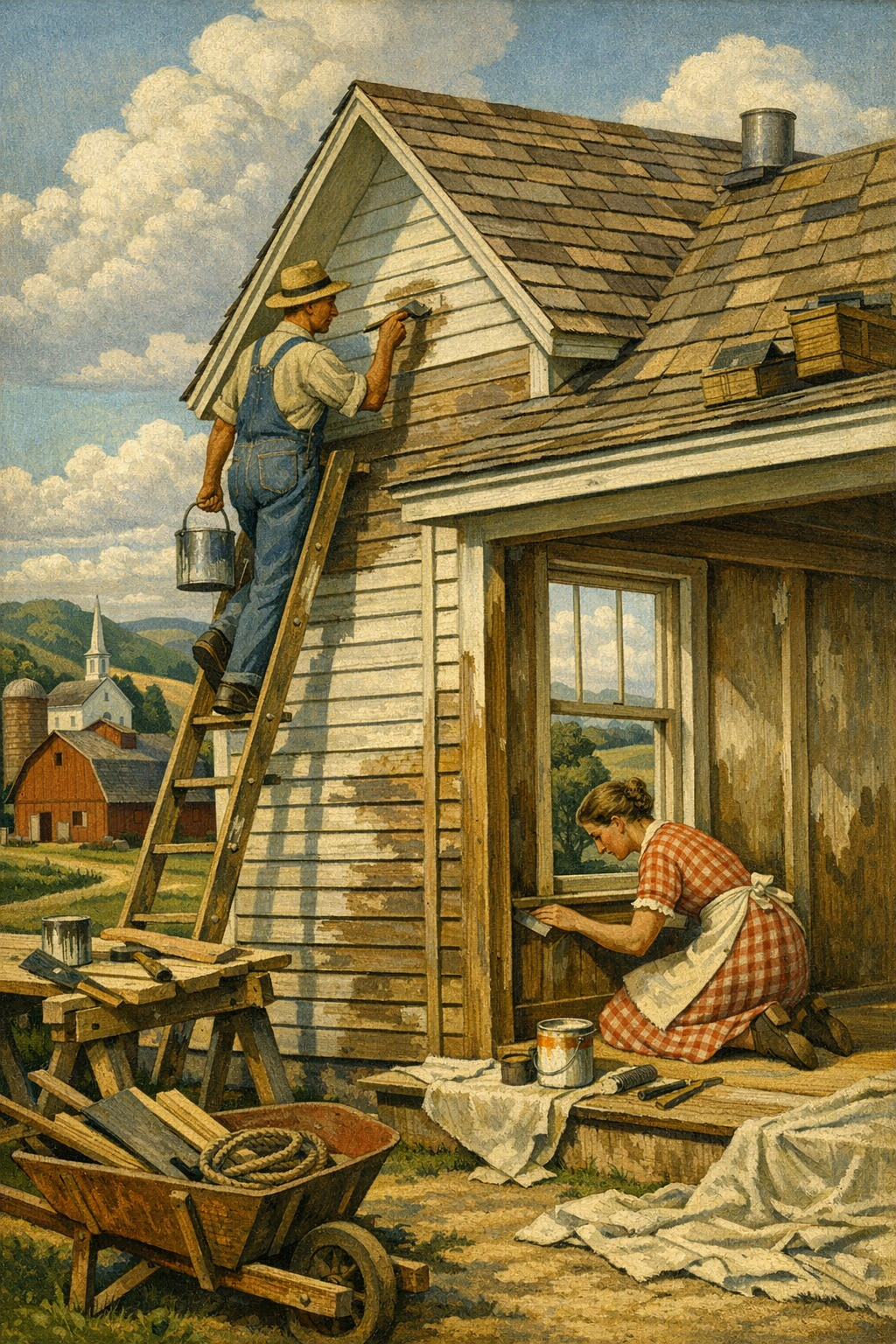
Most paint jobs fail before the first wall is even coated. That sounds harsh, but it is true: the biggest mistake homeowners make with interior paint color trends is chasing a swatch instead of understanding how light, architecture, and finish work together. In Denver-area homes, where elevation, sunlight, and open-concept layouts can dramatically shift color from morning to evening, trend-driven painting only works when it is grounded in real design and technical discipline.
Table of Contents
- Why Interior Paint Color Trends Matter More Than Ever
- The Biggest Interior Paint Color Trends Shaping 2026
- How Denver Light Changes Everything
- Choosing the Right Finish, Product, and Prep
- DIY vs. Professional Results: Where Trends Go Wrong
- Where These Trends Work Best in Real Homes
- Frequently Asked Questions
Why Interior Paint Color Trends Matter More Than Ever
Color has stopped being background decoration. It now drives how a room feels, how large it appears, and even how expensive a home looks. That shift is why interior paint color trends are getting more attention from homeowners, designers, real estate professionals, and business owners alike.
Major brands such as Sherwin-Williams, Benjamin Moore, Behr, and PPG continue to push warmer, more grounded palettes, and that direction is not random. People are moving away from sterile gray boxes and toward spaces that feel human again. Soft earth tones, muted greens, clay-inspired neutrals, creamy whites, smoky blues, and complex off-blacks are replacing the flat, cold shades that dominated the previous decade.
The old “safe color” mindset is fading fast. Plain builder beige and lifeless gray are no longer the automatic answer for resale or broad appeal. Buyers and homeowners want character, but they also want color choices that age well. That is the sweet spot where professional execution matters. A warm greige can feel elegant in one house and muddy in another. A rich olive can look curated in a dining room and oppressive in a poorly lit hallway.
That is why homeowners exploring interior painting services are asking more sophisticated questions than they used to. They want durability, design coherence, cleaner indoor air, and a finish that looks intentional instead of impulsive.
Why trend awareness is useful when handled correctly
Following trends is not automatically shallow. In fact, current color direction can help homeowners avoid outdated choices and make smarter updates. The problem is not the trend itself. The problem is applying a trend without considering undertones, surfaces, and room function.
- Living rooms benefit from warm neutrals and layered contrast.
- Kitchens are leaning into painted cabinetry, creamy walls, and moody islands.
- Bedrooms are moving toward softer greens, blue-grays, and muted taupes.
- Home offices increasingly use deeper colors to create focus and visual separation.
In other words, color is no longer just a finish decision. It is a planning decision.
The Biggest Interior Paint Color Trends Shaping 2026
If you still think white walls are the universal premium look, you are already behind. White still matters, but today’s best interiors use whites more selectively and with much more nuance. The top interior paint color trends for 2026 are less about novelty and more about depth.
Warm whites and soft creams are replacing stark whites
Cool, blue-based whites can feel clinical, especially under LED lighting. That is why warmer whites from brands like Sherwin-Williams Alabaster, Benjamin Moore White Dove, and Behr Swiss Coffee-style palettes keep winning. These shades soften modern interiors without making them feel yellow.
The goal is not “bright.” The goal is balanced. In homes with abundant Denver sunlight, a harsh white can create glare and make trim, ceilings, and walls feel disconnected. A warmer white creates cohesion and makes natural materials like oak, walnut, brass, and stone look better.
Earthy greens are the new sophisticated neutral
Muted sage, eucalyptus, olive, and moss tones have become some of the strongest interior paint color trends because they bridge traditional and modern design. They also work across cabinets, bathrooms, bedrooms, and accent walls without screaming for attention.
These greens pair especially well with natural wood, matte black hardware, and off-white trim. They also connect indoor spaces to outdoor landscapes, which makes them especially appealing in Colorado homes where mountain views, landscaping, and natural light play a bigger visual role.
Clay, terracotta, and mineral-inspired tones are gaining traction
Homeowners are craving warmth, and not the fake kind. That is why clay-beige, muted terracotta, dusty rose-brown, and sand-based hues are showing up in design-forward spaces. Farrow & Ball, PPG, and boutique designers have pushed this look for years, but now it is reaching mainstream interiors.
Used well, these colors feel elevated. Used badly, they feel dated almost instantly. That is why placement matters. Powder rooms, dining rooms, reading nooks, and feature walls are often better candidates than large, poorly lit living spaces.
Deep blues and soft black accents are replacing generic gray contrast walls
The once-popular charcoal accent wall has lost a lot of its edge. Today’s stronger move is a more nuanced deep tone: inky blue, carbon green, soft black, or richly pigmented brown-black. These shades work especially well on built-ins, doors, stair railings, and selective accent spaces.
When clients want a dramatic but timeless look, a professional color consultation can prevent the most common problem: choosing a dark color that reads flat instead of luxurious.
The paint industry’s dirtiest little secret is that most “timeless” color advice is just fear dressed up as professionalism. The best interiors do not avoid character; they control it.
— 1 of a Kind Painting
How Denver Light Changes Everything
Denver homes do not behave like homes in coastal markets, the Midwest, or the Southeast. Higher altitude, strong sunlight, shifting seasonal brightness, and open floor plans make color selection more complicated than a paint chip suggests.
In the Denver metro area, including Aurora, Centennial, Glendale, and Brighton, it is common to see paint colors read noticeably warmer or cooler depending on orientation and time of day. South-facing rooms often intensify warm undertones. North-facing rooms can flatten color and make some neutrals feel cold. West-facing spaces can exaggerate yellow and orange casts late in the day.
Why sample cards are not enough
A tiny sample under store lighting tells you almost nothing about full-room performance. The smarter approach is large-format sampling directly on the wall or on movable poster boards. That allows homeowners to evaluate a shade in morning light, afternoon light, and under evening lamps.
This is where many DIY projects go off the rails. People choose a color in isolation, paint an entire room, then realize the undertone clashes with flooring, cabinets, countertops, or furniture. Repainting is far more expensive than testing properly in the first place.
Open-concept homes require a strategy, not a favorite color
Many Denver-area homes have sightlines that connect kitchens, dining spaces, great rooms, entryways, and hallways. In those layouts, a single color decision can affect half the home. A trendy shade might look fantastic in one corner and completely wrong when viewed against adjoining spaces.
That is one reason homeowners using painting services in Denver, CO often benefit from a full-home palette plan instead of room-by-room guesswork. Cohesion does not mean monotony. It means each color supports the next.
Interior and exterior color decisions should not fight each other
Another overlooked factor is how your interior palette relates to exterior tone and natural light. If your home’s curb appeal is being updated at the same time, interior and exterior choices should complement one another. Homeowners planning broader upgrades often combine interior updates with exterior painting services so the entire property feels intentional, not pieced together over time.
Choosing the Right Finish, Product, and Prep
Color gets the attention, but finish and preparation determine whether the result looks premium or painfully average. Even the best interior paint color trends will disappoint if the surface is patched badly, the sheen is wrong, or the product choice ignores the room’s actual use.
Finish selection is not a minor detail
Too much shine can expose every drywall flaw. Too little can create maintenance issues in high-traffic spaces. Here is a practical guide:
| Room/Surface | Recommended Finish | Why It Works |
|---|---|---|
| Living rooms and bedrooms | Eggshell | Soft appearance with moderate washability |
| Hallways and kids’ rooms | Satin | Better durability for scuffs and regular cleaning |
| Bathrooms and laundry rooms | Satin or semi-gloss | Handles moisture and repeated wipe-downs |
| Trim, doors, and baseboards | Semi-gloss | Sharper contrast and stronger durability |
| Ceilings | Flat | Minimizes reflection and surface imperfections |
Low-VOC and premium paints are no longer optional luxuries
High-quality coatings from Sherwin-Williams, Benjamin Moore, Behr Marquee, and PPG’s premium lines offer better hide, more durable film formation, and lower odor than many bargain paints. For occupied homes, especially with children, pets, or sensitive indoor air concerns, low-VOC or zero-VOC options are often the smarter choice.
Cheap paint is expensive once you count extra coats, premature wear, and a weaker final appearance. That is not sales talk. It is simple math.
Prep work separates professionals from pretenders
No color trend can hide poor workmanship. Nail pops, uneven texture, greasy kitchen walls, flashing patches, and unprimed repairs will all show through. A professional process should include cleaning where needed, patching, sanding, caulking, spot priming or full priming when necessary, and protecting floors and furnishings properly.
Homeowners who want to see what that level of finish looks like in real spaces can browse our project gallery to compare polished results against the rushed work that too often passes for “done.”
DIY vs. Professional Results: Where Trends Go Wrong
There is nothing wrong with DIY painting—until the room matters. Accent walls, spare bedrooms, and quick cosmetic refreshes may be manageable for a careful homeowner. But when you are working with nuanced colors, cabinetry, high-visibility living areas, or whole-home transitions, the margin for error gets very small.
The hidden risks of trend-based DIY painting
- Undertone mistakes that only appear after full coverage
- Inconsistent cut lines that cheapen otherwise elegant colors
- Incorrect sheen selection in bathrooms, kitchens, and hallways
- Patch flashing and roller marks on darker or more saturated shades
- Inadequate priming when covering old colors or repaired drywall
Dark greens, warm whites, clay tones, and soft black accents are especially unforgiving. These shades reveal weak surface prep, inconsistent application, and poor coverage strategies faster than generic beige ever did.
Professional painters do more than apply paint
A strong contractor helps with sequencing, product selection, color flow, surface evaluation, and finish consistency. That is particularly valuable when repainting occupied homes or coordinating multiple spaces at once. For businesses updating offices, retail interiors, or tenant spaces, the same principle applies through commercial painting services where downtime, durability, and brand appearance all matter.
Hiring a pro is not just about convenience. It is about risk control. The right team can keep a fashionable color choice from becoming an expensive regret.
Trust still matters in a trend-heavy market
Anyone can post a dramatic before-and-after on social media. What matters is repeatable workmanship, communication, and accountability. If you are comparing contractors, spend time reviewing what our clients are saying and look for specific comments about cleanliness, schedule reliability, color guidance, and final finish quality.
Where These Trends Work Best in Real Homes
The smartest use of interior paint color trends is targeted, not random. Not every trending color belongs in every room. The strongest interiors use the right trend in the right place.
Living rooms and great rooms
Warm whites, mushroom-toned neutrals, and muted greiges remain strong choices here, especially when paired with architectural contrast on trim, built-ins, or fireplaces. In large open areas, these shades create flexibility while still feeling current.
For Denver and Glendale homes with intense daylight, a creamy white often performs better than a crisp white because it softens the space without dulling it. In Centennial homes with larger transitional layouts, layered neutrals can help bridge traditional woodwork and more modern furnishings.
Kitchens and cabinets
Painted cabinets continue to dominate, but the all-white kitchen is finally giving up some ground. Soft green lowers, warm greige perimeter cabinets, deep navy islands, and mushroom-toned built-ins are all gaining momentum. The key is pairing these colors with the right enamel product and meticulous prep.
Cabinets are not walls. They require more technical coating systems, cleaner sanding and degreasing, and much tighter finishing standards. Trendy color on poorly finished cabinets looks worse than dated color on properly finished cabinets.
Bedrooms and home offices
This is where calming greens, dusty blues, and cocooning taupes perform best. Bedrooms benefit from lower visual contrast and softer saturation. Home offices, by contrast, often look better with more depth. A darker green or blue-gray can create focus and visual identity without feeling gimmicky on video calls.
Small rooms that can handle bold decisions
Powder rooms, entryways, dining rooms, and reading corners are ideal places to experiment with richer interior paint color trends. These smaller areas can carry a saturated hue, limewash-inspired finish, or moody palette more successfully than a large multi-use room.
Brighton and Aurora homeowners, in particular, often use these spaces to add personality while keeping the main living areas more neutral. That balance works well. Bold does not need to mean chaotic.
When decorative finishes make sense
Limewash, Roman clay-inspired textures, and Venetian plaster looks are getting more attention, but they are not universal upgrades. These finishes work best when the architecture supports them and the installer actually understands the technique. Textured decorative painting is one of the most overpromised services in the industry. When done well, it is stunning. When rushed, it looks like a failed experiment.
Homeowners in suburban communities exploring painting services in Centennial, CO often ask how to add character to newer construction homes. Thoughtful color layering, trim contrast, and selective decorative finishes can do exactly that without overcomplicating the house.
Frequently Asked Questions
Q: What are the most popular interior paint color trends right now?
The strongest current trends include warm whites, creamy neutrals, muted greens, earthy clay tones, and deeper blue-black accents. These shades feel more natural and layered than the cool grays that dominated previous years. The best choice depends on your lighting, architecture, and how each room is used.
Q: Are gray walls officially out of style?
Not entirely, but many flat, cool grays now feel dated. More homeowners are moving toward warmer greiges, taupes, and mineral-inspired neutrals with better depth. If you still want gray influence, choose a shade with balanced undertones and test it in your actual lighting.
Q: Which paint finish is best for interior walls?
Eggshell is often the best all-around finish for most interior walls because it offers a soft look with reasonable durability. Satin is better for higher-traffic areas such as hallways, bathrooms, and children’s rooms. Flat paint works well on ceilings, while trim and doors usually perform best in semi-gloss.
Q: How do I choose paint colors for a Denver home with lots of sunlight?
Start by sampling colors in the room itself, not just from a chip or store display. Denver’s bright light can intensify undertones and make some colors appear much warmer or cooler throughout the day. Larger test areas and professional guidance usually lead to more accurate decisions.
Q: Is it worth hiring a professional painter for interior color updates?
Yes, especially when using nuanced or darker colors, repainting multiple connected rooms, or updating cabinets and trim. A professional painter improves prep, finish consistency, color flow, and product selection. That usually prevents the expensive mistakes that happen when trend choices are applied without technical planning.
Q: What interior paint colors help with resale value?
Warm neutrals, soft off-whites, and balanced greiges tend to appeal to the widest range of buyers while still feeling updated. The safest resale strategy is not choosing the blandest color; it is choosing a polished, cohesive palette that works with flooring, cabinetry, and natural light. Clean execution matters just as much as the shade itself.
Interior paint color trends are useful only when they are filtered through real experience. The right color can make a home feel brighter, calmer, more current, and more valuable. The wrong one can expose flaws, fight the light, and age the room faster than the previous paint ever did.
For homeowners across Denver, Aurora, Centennial, Glendale, and Brighton, the smartest approach is to treat paint like a design system, not a product purchase. That means considering lighting, finish, durability, prep, and how one room connects to the next. It also means knowing when a trend supports your home and when it is just noise.
At 1 of a Kind Painting, that balance between style and craftsmanship is where the real transformation happens. If you are ready to update your interiors with colors that feel current without feeling disposable, or you want guidance on larger residential or exterior projects, you can get in touch with our team for expert help grounded in the realities of Colorado homes.
Ready to Transform Your Space?
Whether you’re refreshing your home’s interior, updating your exterior curb appeal, or tackling a commercial repaint anywhere in the Denver metro area, 1 of a Kind Painting has the experience, craftsmanship, and attention to detail to deliver results that truly stand out.
👉 Interior Painting
|
👉 Exterior Painting
|
👉 Contact Us Today