

2026 Interior Paint Trends for Denver Homes: Color That Works with Light, Space, and Real Life
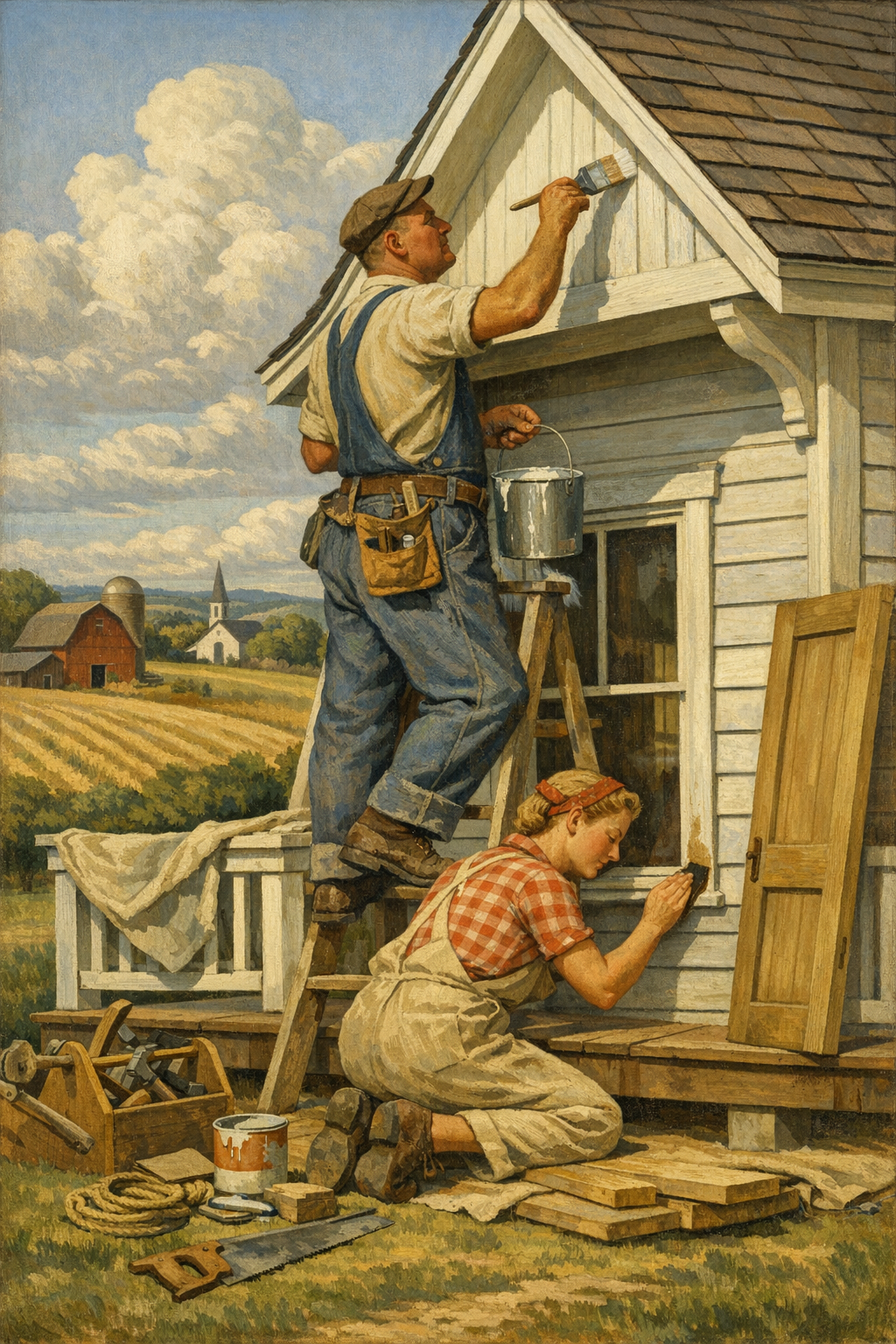
Most homes are not suffering from outdated architecture—they’re suffering from timid paint choices. The biggest shift in interior paint color trends is not just about picking a trendy shade from a fan deck; it’s about choosing colors that work with light, architecture, durability, and how people actually live. In the Denver metro area, where intense sun, dry air, and open-concept layouts change how paint behaves, smart color selection matters more than ever.
Table of Contents
- Why Interior Paint Color Trends Are Changing
- The Top Interior Paint Color Trends for 2026
- How Denver Light Changes Paint Color
- Choosing the Right Finish, Brand, and Application
- Where Homeowners Still Get Color Selection Wrong
- When to Hire a Professional Painter Instead of Guessing
- Frequently Asked Questions
Why Interior Paint Color Trends Are Changing
The era of safe-but-forgettable gray is fading. Homeowners still want neutrals, but they want neutrals with personality: warmer whites, complex greiges, earthy greens, muted blues, clay tones, and rich grounding colors that feel intentional rather than builder-basic. That shift is showing up across major brands including Sherwin-Williams, Benjamin Moore, Behr, and PPG, all of which have leaned harder into organic, comforting, nature-driven palettes.
The reason is simple. People expect more from paint now. A color has to do several jobs at once: photograph well, support resale value, soften harsh lighting, and make a room feel designed instead of merely finished. Open floor plans have also raised the stakes. One weak color decision can ripple from the entry to the kitchen to the family room.
That matters in Colorado more than many homeowners realize. The clear altitude light in Denver, Centennial, Glendale, Brighton, and Aurora can make cool colors feel colder and warm colors feel cleaner and brighter than they looked on the sample chip. A shade that seemed soft in the store can turn flat at noon or overly reflective by late afternoon.
That is why color selection should be treated as both a design decision and a technical decision. If you are planning a repaint, pairing the right palette with expert interior painting services is often the difference between a home that feels elevated and one that simply looks freshly covered.
What is driving current demand?
Several forces are shaping the market:
- Warm minimalism replacing sterile modern gray
- Wellness-focused design favoring restful, earthy, low-stimulation spaces
- Higher expectations for quality finishes on walls, trim, cabinets, and doors
- Social-media influence pushing homeowners toward statement rooms and stronger contrast
- Better awareness of low-VOC products for healthier indoor environments
Trends are not just changing because brands release annual colors. They are changing because homeowners are more visually literate, more renovation-savvy, and less willing to accept generic results.
The Top Interior Paint Color Trends for 2026
Not every trend deserves your walls. Some exist mainly to generate clicks. The strongest interior paint color trends are the ones that balance design appeal with daily livability, and that means choosing shades with depth, flexibility, and a believable relationship to your home’s architecture.
1. Warm whites with softness, not yellow
Bright white is not dead, but the cold, blue-white look is losing ground. Homeowners are moving toward whites with subtle warmth that feel clean without looking clinical. Popular directions include shades similar to Sherwin-Williams Alabaster, Benjamin Moore White Dove, and other nuanced off-whites that hold up better in Denver’s bright natural light.
These colors work especially well in open layouts, hallways, and homes with black windows, warm wood flooring, or stone accents. They also create a better backdrop for artwork and furnishings than ultra-stark white.
2. Earthy greens that act like neutrals
Sage, olive, eucalyptus, and dusty green are no longer niche colors. They have become practical, versatile choices for bedrooms, offices, kitchens, and even entire main floors. The reason they work is psychological and architectural: green feels restful, but muted green also behaves like a neutral when balanced with warm whites, natural oak, brass, matte black, or brushed nickel.
For homeowners who want trend without regret, this is one of the smartest lanes to explore. A well-chosen green adds identity without screaming for attention.
3. Clay, mushroom, and mineral-inspired tones
Beige is back, but not the flat beige people remember from the early 2000s. Today’s better version includes clay, putty, mushroom, sand, taupe, and mineral-inspired tones with undertones that shift beautifully throughout the day. These shades bring warmth to contemporary homes and sophistication to traditional spaces.
They are also more forgiving on walls than many cooler neutrals. In busy households, slightly deeper and more complex colors can hide minor scuffs and unevenness better than pale gray.
4. Moody blues and charcoal accents
Accent walls are no longer automatically a good idea, but strategic depth is absolutely trending. Home offices, dining rooms, powder rooms, and built-in cabinetry are seeing increased use of deep blue, ink, graphite, and charcoal. When executed properly, these colors create definition and contrast in a way pale palettes never can.
The key word is properly. Dark colors expose poor prep, flashing, roller marks, and bad cut lines immediately. This is exactly where premium craftsmanship matters, and where browsing our project gallery can help homeowners see how high-end color actually looks in finished spaces.
5. Color drenching in selected rooms
One of the boldest trends is color drenching: painting walls, trim, and sometimes ceilings in the same or closely related color. In powder rooms, dens, libraries, and bedrooms, this technique creates a tailored, immersive look. It can feel luxurious, but it also punishes weak execution. If trim is not prepped correctly or the sheen choices are off, the whole effect collapses.
Used with the right palette, color drenching makes a room feel deliberate rather than fragmented. Used carelessly, it makes a room feel dark and heavy. That is why homeowners considering trend-forward palettes should strongly consider a professional color consultation before committing gallons of paint to an idea they only saw on social media.
The best paint trend is not the one getting the most likes online—it’s the one that still looks right at 7 a.m., 2 p.m., and five years from now.
— 1 of a Kind Painting
How Denver Light Changes Paint Color
Colorado light is beautiful, but it is brutally honest. High altitude, abundant sunshine, and large swings in daylight intensity can distort how a color reads compared to the showroom or online inspiration photos. This is one reason national trends should never be copied blindly into local homes.
North-facing rooms
North-facing spaces often pull cooler and flatter. Gray can turn lifeless fast, and white can feel icy. In these rooms, warm whites, greiges, soft taupes, and muted greens often perform better than cold neutrals.
South-facing rooms
South-facing rooms receive stronger, warmer daylight. Soft colors can appear brighter and creamier here. This is a great orientation for layered neutrals, but it can make some beiges look too yellow if not tested properly.
East- and west-facing rooms
These rooms shift more dramatically through the day. East-facing rooms may look crisp in the morning and subdued later. West-facing rooms can gain strong golden light in the evening. That means undertones matter. A paint color that seems balanced at noon may look completely different at sunset.
Why sampling on poster board is better than tiny swatches
Small brush-outs on a wall rarely tell the truth. Larger test areas or movable sample boards allow you to judge color against flooring, cabinetry, trim, and natural light over time. A paint color is not a static object; it is a reaction between pigment, surface, and light.
This is particularly important for homeowners seeking painting services in Denver, CO, where architectural styles vary from historic bungalows to new-construction homes with very different light behavior and finish expectations.
Choosing the Right Finish, Brand, and Application
Color gets the attention, but finish determines whether the job looks expensive or disappointing. Even the perfect shade will underperform if the sheen is wrong, the substrate is poorly prepared, or the product choice does not match the room’s demands.
Best paint finishes by room type
| Area | Recommended Finish | Why It Works |
|---|---|---|
| Living rooms & bedrooms | Eggshell | Soft appearance with moderate durability and easier touch-up balance |
| Hallways & family rooms | Satin or low-sheen eggshell | Better washability for high-traffic areas |
| Kitchens & bathrooms | Satin | Handles moisture, splashes, and cleaning better than flatter sheens |
| Trim, doors & baseboards | Semi-gloss | Durable, crisp, and highlights architectural details |
| Ceilings | Flat | Minimizes glare and hides surface imperfections |
Brand matters, but not in the way people think
Sherwin-Williams, Benjamin Moore, Behr, and PPG all offer strong products at different tiers. The mistake is assuming brand name alone guarantees a premium result. It does not. Product line, surface prep, primer compatibility, cure time, and application skill all matter more than a label on the can.
For example, premium interior wall paints with strong hide and scrubbability can justify their cost in busy family homes. On trim and doors, leveling and hardness matter more. On cabinets, the system matters most of all: degreasing, sanding, bonding primer, and a durable cabinet-grade coating are not optional steps.
Low-VOC and zero-VOC paints are now mainstream
The old trade-off between healthier indoor air and good performance has narrowed dramatically. Many low-VOC and zero-VOC options now deliver excellent coverage, color retention, and washability. That makes them a practical choice for occupied homes, nurseries, bedrooms, and households sensitive to odor.
Homeowners often ask whether environmentally friendlier products are always the right answer. Usually, yes—but only when paired with proper prep and realistic curing expectations. Premium coatings still need the correct temperature, humidity conditions, and dry time to perform as designed.
Application quality is what people actually notice
Most homeowners cannot identify the exact product used on a wall after the job is complete. They can, however, instantly see lap marks, roller stipple inconsistency, rough repairs, brush drag on trim, and missed caulk lines. Bad prep is the silent killer of paint jobs.
That same standard applies outdoors. Many clients updating interiors also begin planning future curb-appeal improvements through exterior painting services, especially when they want a cohesive interior-exterior palette that feels updated rather than disconnected.
Where Homeowners Still Get Color Selection Wrong
The paint industry still oversimplifies color choice. Too much advice boils down to “pick what you like,” which sounds empowering but is often useless. Good color selection is about fit, not impulse.
Mistake 1: Choosing from a phone screen
Digital inspiration is useful, but device settings, photography filters, and room lighting make online color references unreliable. A warm greige on Instagram can turn muddy in real life, and a soft green can become far more saturated on your walls than expected.
Mistake 2: Ignoring fixed elements
Flooring, countertops, tile, stone fireplaces, cabinetry, and even exterior views all affect how paint reads. Color should support those elements, not fight them. This is especially true in renovation-heavy neighborhoods throughout Glendale and Centennial, where updated paint often needs to bridge older finishes with newer materials.
Mistake 3: Following trends without understanding longevity
Not every statement color belongs in a whole-home palette. Deep aubergine, dramatic oxblood, and ultra-dark brown may trend in designer content, but most homeowners should use them selectively. A trending color is not automatically a smart color.
Mistake 4: Underestimating sheen interaction
A color can look refined in matte and completely different in satin or semi-gloss. Homeowners often approve one sample and then dislike the final result because the sheen changed. That is not the paint “going wrong”; that is the finish revealing more light and surface detail.
Mistake 5: Trying to make every room identical
Flow matters, but sameness is not sophistication. A strong whole-home palette often uses related tones with purposeful variation. Bedrooms may need more calm, offices more focus, and dining rooms more depth. The best homes feel connected without feeling monotonous.
For anyone unsure how to balance trend, architecture, and personal style, a professional process backed by real-world experience and verified results matters. Before hiring, homeowners should review what our clients are saying and compare not just price, but consistency, communication, cleanliness, and finish quality.
When to Hire a Professional Painter Instead of Guessing
DIY painting is not always a bad idea. DIY color decisions often are. There is a difference between painting a guest room and managing a full-home color update involving ceilings, trim transitions, repairs, cabinet refinishing, and multiple lighting conditions.
Projects that usually justify professional help
- Whole-home repaints where color flow matters from room to room
- High ceilings, stairwells, and open-concept spaces that are difficult to cut cleanly
- Dark or highly saturated colors that expose every flaw
- Cabinets, trim, and doors requiring specialty prep and smoother finishes
- Homes going on the market where strategic color choices affect buyer perception
Why professional prep changes everything
Professionals do more than apply paint. They identify substrate issues, repair nail pops, manage texture transitions, caulk gaps, prime stains, and sequence the job so that walls, ceilings, and trim all read cleanly together. That is what creates a finished look rather than a painted look.
Homeowners in the Denver metro area are also increasingly selective about contractor reliability. They want punctuality, communication, dust control, clear scopes of work, and crews that respect occupied homes. That expectation is reasonable, and frankly, overdue.
The strongest results come from strategy, not guesswork
If your project involves trend-driven colors, challenging natural light, or multiple rooms with different uses, it makes sense to involve professionals early. That does not mean handing over all design control. It means getting expert input before expensive mistakes happen.
Whether you are refreshing a historic Denver bungalow, updating a suburban family home in Brighton, or modernizing a condo with sharper contrast and cleaner trim lines, the process works best when color, prep, product choice, and application are all treated as one system. If you want to talk through your options, you can get in touch with our team to discuss timing, goals, and the right approach for your space.
Frequently Asked Questions
Q: What interior paint colors are trending most right now?
The strongest current trends include warm whites, earthy greens, soft taupes, clay-inspired neutrals, and selective use of deep blues or charcoal accents. These colors feel more grounded and livable than the cooler grays that dominated for years. The best choice depends on your home’s lighting, flooring, and architectural style.
Q: Do paint colors look different in Denver than they do elsewhere?
Yes. Denver’s bright, high-altitude sunlight can make colors appear sharper, brighter, or cooler depending on the room orientation and time of day. That is why larger samples and in-room testing are so important before committing to a full paint job.
Q: What is the best paint finish for interior walls?
Eggshell is often the best all-around choice for most living spaces because it balances softness and durability. Satin is better for higher-moisture or higher-traffic areas like kitchens, bathrooms, and hallways. Flat is usually best for ceilings, while semi-gloss is ideal for trim and doors.
Q: Are low-VOC paints worth it for interior projects?
In most cases, yes. Modern low-VOC and zero-VOC paints offer excellent performance while reducing odor and improving indoor comfort during and after application. They are especially valuable in occupied homes, bedrooms, nurseries, and households with sensitivity to strong smells.
Q: Should I follow paint trends if I plan to sell my house soon?
You should follow trends selectively. Broadly appealing warm neutrals, soft whites, and muted natural tones can make a home feel current without alienating buyers. Highly personal or very dark colors are better used sparingly unless the architecture strongly supports them.
Q: Is professional color consultation really necessary?
Not every project requires it, but it can save time, money, and frustration on larger or more design-sensitive repaints. Professional guidance is especially helpful when your home has challenging light, open-concept flow, fixed finishes, or you are choosing between several similar undertones.
The real trend is discernment. Homeowners are moving away from automatic gray, random online inspiration, and lowest-bid painting. They want interiors that feel tailored, durable, and relevant to how they live. That means understanding not just which colors are popular, but why certain colors work better in specific rooms, light conditions, and architectural contexts.
For homes across Denver, Centennial, Glendale, Brighton, and surrounding communities, the strongest results come from combining thoughtful color planning with disciplined preparation and skilled application. Whether the goal is a quieter whole-home refresh, a bolder statement room, or a coordinated interior-exterior update, 1 of a Kind Painting brings the practical experience to execute those decisions with precision.
If you are weighing paint colors, finishes, or the scope of an upcoming repaint, the smartest next step is not guessing harder. It is getting clarity from professionals who understand local homes, current products, and what quality should actually look like once the ladders are gone and the room is back in use.
Ready to Transform Your Space?
Whether you’re refreshing your home’s interior, updating your exterior curb appeal, or tackling a commercial repaint anywhere in the Denver metro area, 1 of a Kind Painting has the experience, craftsmanship, and attention to detail to deliver results that truly stand out.
👉 Interior Painting
|
👉 Exterior Painting
|
👉 Contact Us Today