

Smart Color, Lasting Style: How Denver Light Shapes Interior Paint Choices
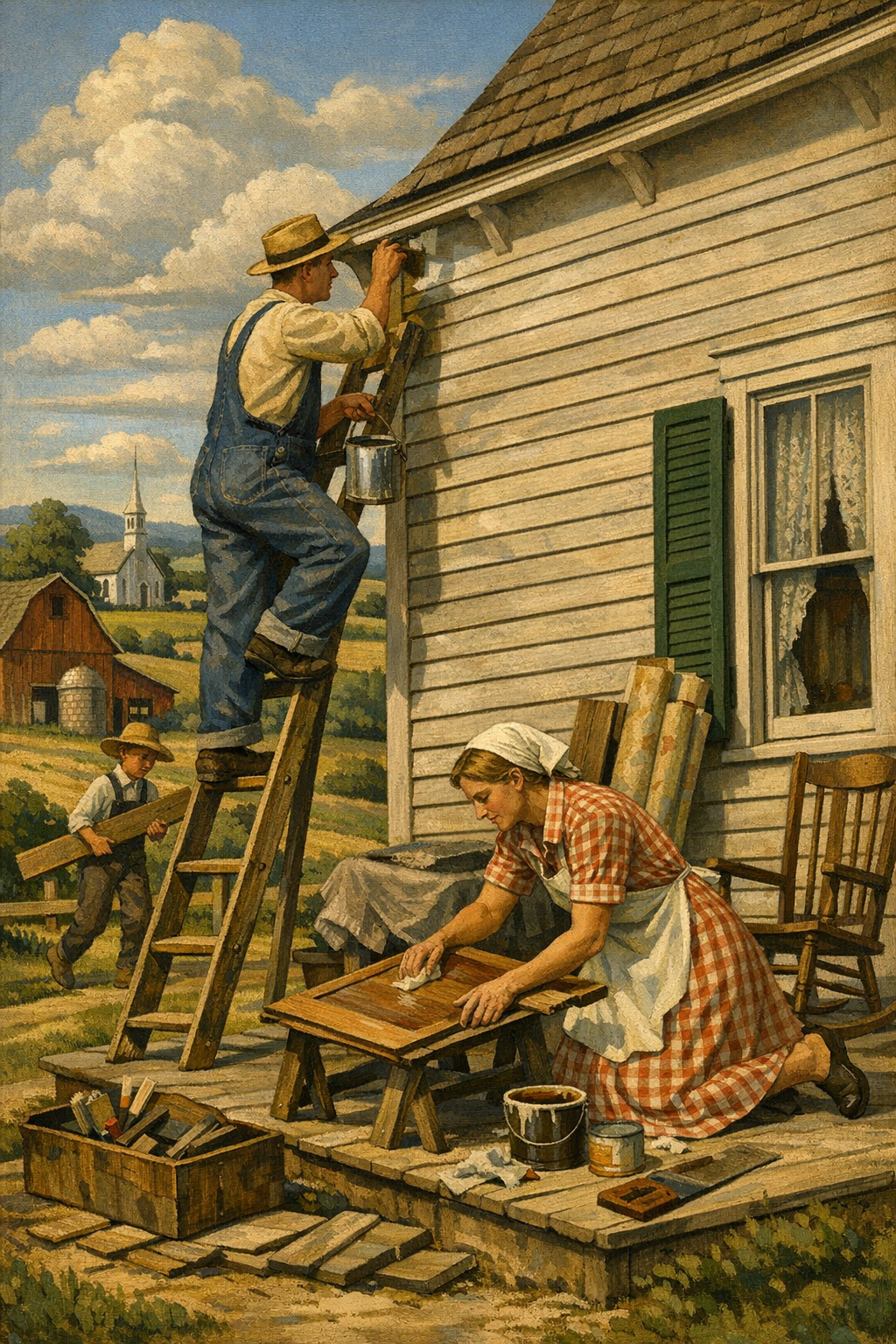
Most homes do not need more color—they need better color decisions. That is the uncomfortable truth behind so many disappointing remodels, rushed repaints, and trend-chasing updates. The biggest shift in interior paint color trends right now is not about finding one miracle shade; it is about choosing colors, finishes, and applications that actually work with light, architecture, and the way people live in Denver-area homes.
Table of Contents
Why Interior Paint Color Trends Are Changing
The old way of talking about paint trends was lazy. Every year, brands released a “color of the year,” social media repeated it, and homeowners were expected to believe one hue would somehow fit a downtown Glendale condo, a Centennial family home, and a historic Denver bungalow equally well. That approach is finally losing credibility.
Today’s interior paint color trends are being driven by something far more practical: livability. Homeowners want rooms that feel calm but not sterile, warm but not muddy, current but not trendy in a way that looks embarrassing two years later. That is why the market is moving away from extreme cool grays and overly stark whites and toward nuanced tones with depth.
Major paint brands such as Sherwin-Williams, Benjamin Moore, Behr, and PPG have all leaned into earth-based neutrals, softened greens, clay-inspired tones, and complex blue-grays because those colors respond better to real-life interiors. They are more forgiving with changing daylight, they pair well with wood flooring and black or brass fixtures, and they support the layered look people now want from furniture, tile, and textiles.
Another reason these trends are evolving is that homes are working harder than ever. Open-concept layouts now serve as offices, classrooms, entertaining zones, and recovery spaces. Paint has to do more than look good on a swatch. It has to create separation, mood, and visual flow without making the house feel chopped up.
That is exactly where a skilled painting company brings value. A quality finish starts with product selection, sheen choice, surface preparation, and color placement—not just the paint itself. If you are planning a full refresh, professional interior painting services can help translate trend inspiration into rooms that still make sense five years from now.
The Colors Homeowners Are Actually Choosing
If you strip away the hype, a few categories are clearly dominating current interior paint color trends. The common thread is balance. People want warmth, but they do not want orange. They want softness, but they do not want bland.
Warm Off-Whites That Do Not Feel Clinical
Bright, icy whites had a long run, but many of them now feel flat and harsh, especially under LED lighting. Homeowners are gravitating toward off-whites with creamy, greige, or subtle taupe undertones. Think Sherwin-Williams Alabaster, Benjamin Moore White Dove, or Behr Swiss Coffee used thoughtfully and tested in the actual space.
These colors are popular because they create a cleaner backdrop than beige while still feeling welcoming. In Denver metro homes with intense natural light, they also avoid the sterile, overexposed look that pure whites often create.
Muted Greens That Read Sophisticated, Not Themed
Sage, olive, eucalyptus, and smoky green are still strong—and for good reason. Used properly, they connect interior spaces to nature without turning a room into a cliché. Cabinets, mudrooms, powder baths, offices, and dining rooms are all seeing more green because the color is grounding and flexible.
Benjamin Moore October Mist, Sherwin-Williams Evergreen Fog, and PPG’s soft botanical greens work especially well with natural oak, warm metals, and stone-look surfaces. Green is not a passing internet obsession anymore; it has become a modern neutral.
Earthy Neutrals and Clay Tones
Beige is back, but not the lifeless builder beige of the early 2000s. The new version includes sand, mushroom, putty, camel, and muted terracotta. These shades add richness and feel more intentional than default gray walls. They are especially effective in bedrooms, entryways, and living spaces where homeowners want softness without going pale.
Clay-inspired tones also pair beautifully with limewash finishes, textured plaster looks, and matte black or bronze accents. In the right room, they create an elevated, almost boutique-hotel atmosphere.
Moody Blues and Carbon-Toned Accent Colors
For homeowners who want drama, navy and near-black blues remain popular. The difference now is where they are used. Instead of coating entire open floor plans in dark color, designers and painters are applying them strategically on built-ins, islands, offices, fireplaces, and accent walls with architectural purpose.
That restraint matters. Dark color used well feels confident. Dark color used randomly feels like a mistake.
If you are unsure how these shades will behave in your home, a professional color consultation is often the smartest first step. Trend colors are only “right” when they fit the room’s orientation, fixed finishes, and your long-term goals.
How Denver Light Changes Every Paint Decision
One reason online paint advice fails so often is that it ignores geography. Denver-area light is different. The altitude, strong sun, seasonal brightness, and mix of modern and traditional architecture all influence how paint reads from morning to evening.
A color that looks soft and balanced in a coastal inspiration photo may appear washed out, yellow, or oddly cold in Colorado. South-facing rooms can intensify warmth. North-facing rooms can flatten subtle hues and make them feel grayer. Open-concept homes common in newer parts of Aurora, Brighton, and Centennial create even more complexity because one wall color may stretch across several lighting conditions.
What Works Well in Front Range Homes
- Complex off-whites that hold depth in bright sunlight
- Warm greiges and taupes that avoid looking pink or purple
- Muted greens that stay organic instead of minty
- Dusty blue-grays that bring contrast without feeling icy
- Earth-based accent colors that complement wood, stone, and mountain-modern finishes
What Often Goes Wrong
Homeowners often choose colors under artificial store lighting, paint a tiny sample patch, and make a final decision far too quickly. That is how you end up with whites that turn yellow at noon, grays that read lavender at dusk, or “safe” neutrals that suddenly look muddy next to existing trim and flooring.
The smarter process is simple:
- Test larger samples on multiple walls.
- View them morning, afternoon, and evening.
- Compare them against flooring, cabinetry, countertops, and textiles.
- Evaluate sheen as well as color.
For homeowners looking for localized expertise, working with a team experienced in painting services in Denver, CO can make a measurable difference. Regional light, local architecture, and common substrate conditions all affect the final result.
The paint industry loves to sell color as impulse. Great painters treat color as strategy.
— 1 of a Kind Painting
The Finishes and Techniques Defining Modern Interiors
Color gets most of the attention, but finish selection is where many projects are won or lost. A beautiful color in the wrong sheen can make a room look cheaper, not better. Current interior paint color trends are closely tied to a broader movement toward softer, lower-luster surfaces and more tactile design.
Lower Sheen, Higher Sophistication
Flat and matte finishes are increasingly popular in living rooms, bedrooms, and ceilings because they absorb light and create a more refined look. Eggshell still has a place on many walls because it offers a practical balance of durability and softness. Satin and semi-gloss remain useful, but they are being used more selectively, especially where washability and moisture resistance matter.
| Area | Recommended Finish | Why It Works |
|---|---|---|
| Living Rooms & Bedrooms | Flat or Matte | Soft appearance, hides minor wall imperfections |
| Hallways & Family Rooms | Eggshell | Balanced durability with a low-sheen look |
| Kitchens & Bathrooms | Satin | Better moisture resistance and easier cleaning |
| Trim, Doors & Baseboards | Semi-Gloss or Satin | Durable finish with crisp visual contrast |
| Ceilings | Flat | Minimizes glare and surface irregularities |
Limewash, Roman Clay, and Venetian Plaster Looks
Decorative finishes are no longer limited to luxury show homes. More homeowners are asking for subtle texture, old-world depth, and handcrafted character. Limewash and Venetian plaster-inspired walls are especially appealing because they soften large spaces and add visual movement without loud patterns.
These finishes are not for every room, and they are definitely not beginner-friendly. Surface prep, product compatibility, and application technique matter enormously. When done badly, they look patchy and contrived. When done well, they feel timeless.
Cabinet Color as a Design Anchor
Cabinet painting remains one of the highest-impact upgrades in the home improvement market, and it intersects directly with interior paint color trends. Warm whites, mushroom tones, muted greens, and deep charcoal blues continue to dominate kitchen and bath cabinetry because they refresh the space without the cost of a full remodel.
The catch is that cabinet painting is one of the most overconfident DIY categories in the industry. Brush marks, adhesion failure, poor degreasing, and bad topcoat selection are everywhere. Proper sanding, cleaning, priming, and curing are non-negotiable if you want a factory-like finish.
If you want to compare possibilities before committing, browsing our project gallery can help you see how different tones, finishes, and trim contrasts perform in real spaces rather than staged mockups.
Trend Mistakes That Date a Home Fast
Paint trends can modernize a home, but they can also age it almost instantly when applied without discipline. Some of the most common mistakes are not bold—they are simply careless.
Following Social Media Instead of the House
A viral color is not automatically a smart color. A room’s orientation, architecture, flooring, countertop material, and trim profile should drive the decision. When homeowners copy a trend without respecting the room, the result often feels off even if they cannot explain why.
Overusing Gray Because It Feels “Safe”
Cool gray was once the default answer to every paint question. Now, in many interiors, it feels tired. Not always wrong—but tired. Gray still works when it has warmth, depth, or a clear architectural purpose. The problem is the habit of using generic gray as a substitute for actual design thinking.
Ignoring Prep to Save Time
No trend can rescue poor preparation. Nail pops, patched drywall flashing, glossy surfaces without deglossing, weak caulking, and skipped primer all lead to disappointing results. This is just as true for walls as it is for trim and cabinetry. Strong color and ultra-flat finishes often reveal defects even more than mid-tone neutrals do.
Choosing Exterior and Interior Colors in Isolation
Homeowners often think of their interior and exterior as separate projects, but there should be a relationship between them. A modernized interior paired with an outdated exterior palette creates visual disconnect. If your home is due for a full refresh, coordinated planning between exterior painting services and interior updates can create a more cohesive result.
Hiring Based Only on the Lowest Bid
This is where many projects fall apart. The lowest quote often means thin prep, lower-grade materials, rushed labor, or vague scope. Homeowners then pay twice: once for the bad job and again to fix it. If trust matters to you, it is smart to review what our clients are saying before choosing a contractor. Reputation is not a luxury in painting—it is a predictor of finish quality, communication, and accountability.
When to DIY and When to Hire a Professional
There is nothing wrong with a DIY mindset. Some paint projects are manageable for a patient homeowner with the right tools and realistic expectations. But the industry also has a bad habit of pretending that every paint job is just “weekend work.” It is not.
DIY Usually Makes Sense For:
- Small bedrooms or guest rooms with good wall condition
- Single accent walls with minimal cutting-in complexity
- Simple repainting when the new color is similar to the old one
Hire a Professional For:
- Cabinet painting and refinishing
- High ceilings, stairwells, and multi-story interiors
- Drywall repair, texture issues, or staining
- Dark-to-light or light-to-dark color changes
- Decorative finishes such as limewash or Venetian plaster
- Occupied commercial spaces needing scheduling flexibility and durability
Commercial interiors deserve special mention. Offices, retail spaces, restaurants, and multifamily properties are increasingly using residential-style palettes—warmer neutrals, muted greens, and branded accent colors—to create a more inviting environment. But these settings demand tougher coatings, tighter timelines, and better logistics. That is where dedicated commercial painting services become essential.
For homeowners and property managers across Denver, Centennial, Glendale, Brighton, and Aurora, the best painting outcomes usually come from a simple formula: better prep, better products, better judgment. The trend itself matters less than the quality of execution.
Frequently Asked Questions
Q: What interior paint colors are trending most right now?
The strongest interior paint color trends include warm off-whites, muted greens, earthy taupes, clay-inspired neutrals, and selective moody blues. These colors are popular because they feel more grounded and livable than stark white or flat cool gray. They also adapt better to mixed lighting and layered interior design.
Q: Are gray walls still in style?
Gray is not completely out, but generic cool gray is losing ground fast. Warmer grays, greiges, and gray-greens still work when they fit the architecture and lighting. The key is choosing a shade with enough depth and warmth to avoid a dated, overly cold look.
Q: How do I choose the right paint color for Denver sunlight?
Test large samples on multiple walls and review them throughout the day. Denver’s bright light can make whites feel harsher, warm tones brighter, and subtle undertones more obvious. A color that looks perfect online may behave very differently in a high-altitude, sun-filled room.
Q: What paint finish is best for interior walls?
For many homes, eggshell offers the best mix of durability and appearance on everyday walls. Matte and flat finishes look more refined in low-traffic spaces, while satin performs better in kitchens, bathrooms, and other moisture-prone areas. The right finish depends on both function and the condition of the surface.
Q: Is cabinet painting worth it compared to replacing cabinets?
Yes, cabinet painting is often one of the best value upgrades in the home when the cabinet boxes and doors are still structurally sound. A professional process can dramatically modernize a kitchen or bathroom for far less than replacement. The result depends heavily on prep, primer, and topcoat quality.
Q: Should I hire a painter or do it myself?
DIY can work for small, straightforward rooms with minimal repair needs. Professional painters are usually the smarter choice for cabinets, stairwells, vaulted spaces, decorative finishes, major color changes, and any project where finish quality matters. Hiring the right team can save time, prevent mistakes, and deliver a longer-lasting result.
The best interior paint color trends are not about copying a showroom wall or a viral reel. They are about choosing colors and finishes that make your home feel more intentional, more functional, and more valuable over time. Warm complexity, softer sheens, and thoughtful contrast are replacing formulaic gray and one-size-fits-all advice.
That matters even more in the Denver metro area, where intense natural light, varied architecture, and fast-moving design preferences can expose weak paint decisions quickly. A well-executed project accounts for surface condition, product performance, room orientation, and long-term style—not just what is popular this month.
If you are planning a repaint and want guidance that goes beyond swatches and guesswork, 1 of a Kind Painting brings practical expertise to every stage of the process. From color planning to prep to final finish, our team helps homeowners and businesses make smart decisions that hold up beautifully. To talk through your space, timeline, and goals, get in touch with our team.
Ready to Transform Your Space?
Whether you’re refreshing your home’s interior, updating your exterior curb appeal, or tackling a commercial repaint anywhere in the Denver metro area, 1 of a Kind Painting has the experience, craftsmanship, and attention to detail to deliver results that truly stand out.
👉 Interior Painting
|
👉 Exterior Painting
|
👉 Contact Us Today