

Denver 2026 Paint Color Trends: Warmer, More Livable Palettes That Stand Up to Colorado Light
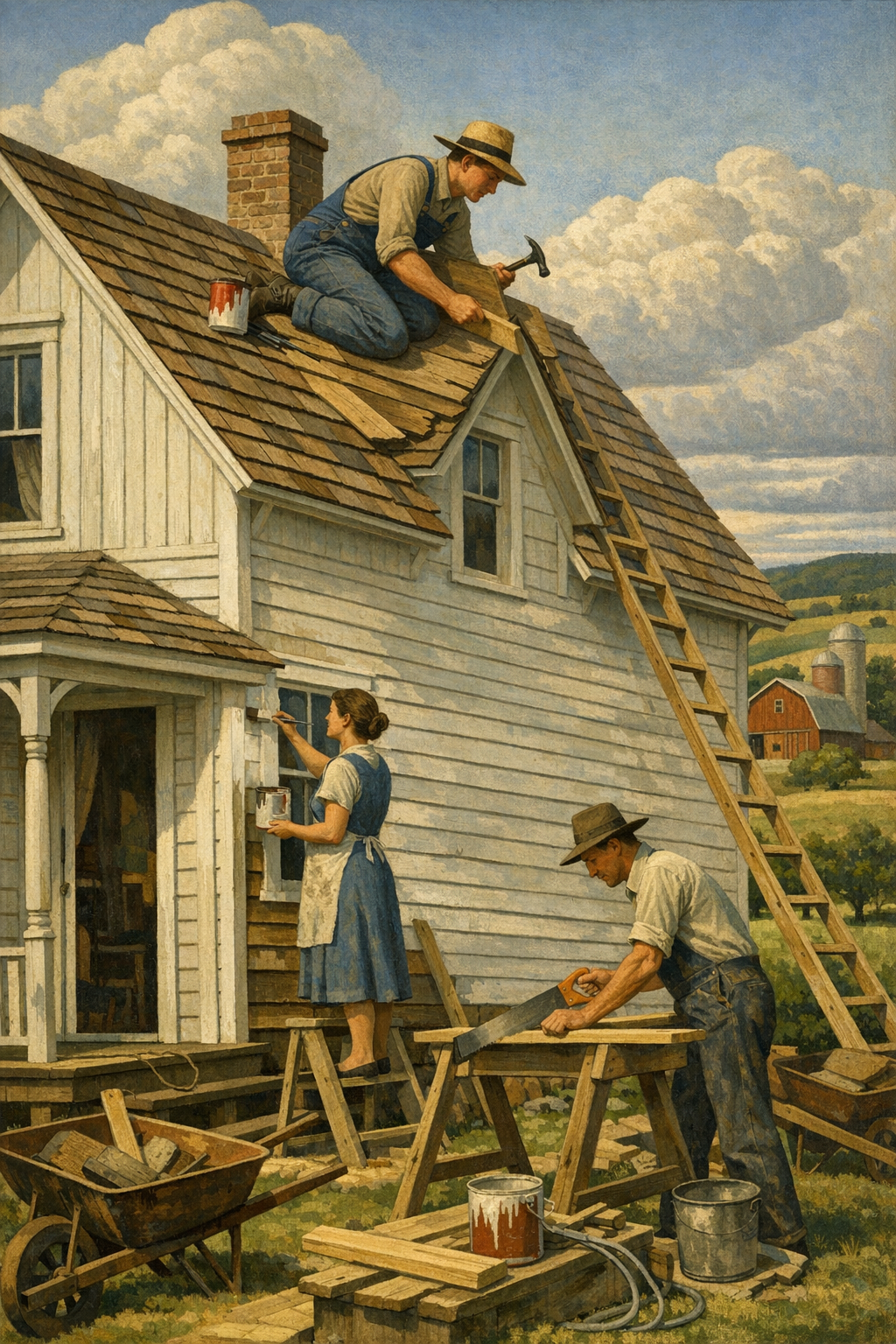
Most “trending paint color” articles are wrong the minute they’re published. The real story is not about one flashy shade taking over Instagram, but about how paint color trends are shifting toward warmer, more grounded, more livable palettes that actually work in real homes across the Denver metro area. In 2026, homeowners are moving past cold gray fatigue and choosing color schemes that feel architectural, natural, and resilient enough to handle Colorado light.
Table of Contents
- Why Paint Color Trends Are Warmer and More Practical
- The Top 2026 Paint Color Trends for Denver Homes
- How Colorado Light Changes Everything
- Interior vs. Exterior: Where Trends Actually Work
- The Biggest Color Mistakes Homeowners Still Make
- Should You Follow Trends or Choose Timeless Paint Colors?
- Frequently Asked Questions
Why Paint Color Trends Are Warmer and More Practical
The age of default gray is over. That does not mean cool colors are gone forever, but the mass-market obsession with sterile greige walls and icy white trim is fading fast. Homeowners want spaces that feel more personal, softer in natural light, and better connected to wood flooring, stone surfaces, and layered furnishings.
Major brands such as Sherwin-Williams, Benjamin Moore, Behr, and PPG have all moved in a similar direction: warm whites, earthy greens, muted clay tones, blue-grays with depth, and complex beiges that do not read flat. That is not a coincidence. It reflects what people actually want after years of overly safe, builder-grade color choices.
In the Denver area, this shift makes even more sense. Colorado homes often get intense sun, high-altitude brightness, and dramatic seasonal contrast. A color that looks balanced in a low-light coastal market can look washed out, chalky, or aggressively cool here. That is why homeowners researching professional color consultation are usually not asking for “the trendiest color.” They are asking for a color that still looks right at 8 a.m., 2 p.m., and sunset.
What is driving the trend shift?
Several forces are shaping current paint color trends:
- Warm minimalism replacing stark modernism
- Natural materials like oak, walnut, limewash textures, and matte stone finishes
- Health-conscious product choices, including low-VOC and zero-VOC paints
- Higher renovation costs, which push homeowners toward colors with longer design life
- Social media fatigue, where people are rejecting spaces designed more for photos than for living
Good color is no longer about chasing novelty. It is about building rooms and exteriors that feel intentional, cohesive, and durable.
The Top 2026 Paint Color Trends for Denver Homes
If you want the short version, here it is: warm whites, soft earth tones, moody greens, dusty blues, and mineral-inspired neutrals are winning. The strongest palettes are refined rather than loud. They have undertones that create depth without overwhelming a room.
1. Warm whites that do not feel clinical
Homeowners are still asking for white walls, but not the bright-blue whites that dominated for years. Shades such as Sherwin-Williams Alabaster, Benjamin Moore White Dove, and similar creamy whites remain popular because they soften harsh daylight and work with a wider range of trims, cabinets, and flooring.
Bright white can be brutal in Colorado sun. It reflects aggressively, exposes wall flaws, and often creates a flat, overexposed look in open-concept rooms. Warm white, by contrast, feels cleaner because it looks balanced rather than glaring.
2. Earthy greens with architectural depth
Muted sage, olive, eucalyptus, and deeper heritage greens continue to dominate feature walls, cabinets, offices, and exteriors. These shades pair naturally with black metal accents, warm wood, and stone veneer. They also align with broader design interest in biophilic spaces and nature-connected interiors.
We are seeing this especially in dining rooms, mudrooms, and kitchen islands, where homeowners want color but do not want something trendy in a disposable way. A good green reads as confident, grounded, and expensive.
3. Clay, mushroom, and taupe-based neutrals
Beige is back, but smarter. The new neutrals are not yellowed 1990s tans. They are layered colors with gray, pink, or brown undertones that create warmth without looking muddy. Mushroom, putty, taupe, and pale clay shades are especially effective in bedrooms and living spaces where people want softness without going dark.
These tones also perform well in homes throughout painting services in Denver, CO because they bridge modern and traditional architecture better than cool gray ever did.
4. Dusty blue and stormy blue-gray
Blue is still relevant, but the high-energy navy craze has matured. More homeowners are selecting dusty denim, slate blue, or stormy blue-gray shades that feel quieter and more versatile. These colors work particularly well in bedrooms, bathrooms, and front doors.
The best blues today act like neutrals. They support the room rather than dominate it.
5. Soft black and deep charcoal accents
Accent walls are not dead, but random accent walls probably should be. The stronger move is using dark color with purpose: built-ins, interior doors, fireplace surrounds, kitchen islands, powder rooms, or exterior trim. Soft black and charcoal add contrast, but they need crisp prep and excellent application quality to look intentional.
| Color Family | Best Uses | Why It Works in Denver |
|---|---|---|
| Warm White | Whole-home interiors, trim, ceilings | Softens intense sunlight and reduces glare |
| Muted Green | Cabinets, offices, dining rooms, exteriors | Pairs well with stone, wood, and mountain-inspired design |
| Mushroom/Taupe | Living rooms, bedrooms, hallways | Adds warmth without turning yellow in bright light |
| Dusty Blue | Bathrooms, bedrooms, doors, built-ins | Feels calm and balanced under changing daylight |
| Soft Black/Charcoal | Trim, accents, modern exteriors | Creates contrast against snow, stucco, and natural stone |
How Colorado Light Changes Everything
If you ignore lighting, you are not choosing paint color. You are gambling. Denver, Centennial, Glendale, Brighton, and Aurora all share a key condition that many national trend roundups barely address: strong, high-altitude light can distort undertones fast.
A warm greige may suddenly look pink. A soft white may flash yellow at sunset. A blue-gray may turn cold and lifeless on a north wall. That is why testing paint in multiple conditions matters more than staring at a fan deck under showroom bulbs.
What homeowners should test before finalizing color
- Morning and afternoon light
- North-facing vs. south-facing rooms
- How color interacts with flooring, countertops, brick, and roofing
- How sheen changes reflectivity
- How exterior colors appear in snow, shade, and bright sun
This is one reason many homeowners who start with online inspiration eventually turn to interior painting services that include real-world guidance. Digital mood boards are useful. They are not reality. Reality is a west-facing living room in July or a stucco exterior under winter sun.
A paint color is not a trend if it fails on your actual walls, in your actual light, with your actual finishes.
— 1 of a Kind Painting
Why undertones matter more than the color name
Paint names sell emotion. Undertones determine success. A color called “Swiss Coffee,” “Accessible Beige,” or “Pewter Green” may sound appealing, but what matters is whether it leans yellow, pink, green, blue, or violet once it hits your surfaces. That is the difference between polished and accidental.
For homeowners comparing samples, the smartest move is to evaluate colors beside the permanent elements you are not changing: cabinetry, tile, stone, brick, hardwood, and roofing. Trend awareness helps, but surface context decides everything.
Interior vs. Exterior: Where Trends Actually Work
One of the biggest mistakes in the painting industry is pretending a color trend should apply everywhere. It should not. The right interior color strategy is often different from the right exterior color strategy, even if both belong to the same home.
Interior trends that are working right now
Inside the home, current paint color trends favor comfort and subtle contrast. Homeowners want rooms that feel layered, not monochromatic in a lifeless way. Popular combinations include warm white walls with creamy trim, green cabinetry with brass hardware, and soft taupe bedrooms with matte black accents.
Paint finish also matters. Flat and matte finishes are popular for walls because they soften color and reduce glare, while satin or semi-gloss still make sense on trim, doors, and cabinetry where washability and durability matter. A professional team can help match the right finish to the right room rather than applying one sheen everywhere just because it is easier.
If you want to see how these combinations perform in real homes rather than staged examples, browse our project gallery. Finished work tells the truth faster than trend predictions do.
Exterior trends that make sense in Colorado
Exterior palettes are becoming more sophisticated, with stronger contrast and more confidence. Homeowners are pairing body colors such as soft greige, mushroom, olive-gray, or warm off-white with dark trim, stained wood, or black accents. On brick and stucco homes, the goal is often to enhance architectural character rather than flatten it.
That said, exterior color should never be chosen as a pure fashion move. Colorado UV exposure, dust, temperature swings, and substrate condition all affect how a finish performs over time. The wrong product system can fail long before the color goes out of style.
This is where quality prep separates serious contractors from quick-turn painters. Proper washing, scraping, sanding, caulking, priming, and product selection are not optional on exterior work. Homeowners exploring exterior painting services should pay as much attention to surface preparation and coating specifications as they do to the final color.
Commercial spaces are following a different trend line
Commercial interiors are trending warmer too, but with a different purpose. Offices, retail spaces, hospitality environments, and professional suites are using calmer neutral palettes with selective accent colors to improve comfort, focus, and brand presence. In commercial repainting, durability and maintenance matter as much as aesthetics, especially in high-traffic areas where eggshell, satin, scrubbable acrylics, or specialty coatings may be required.
For property managers and business owners, smart color strategy is often part of a broader maintenance plan, which is why many turn to experienced commercial painting services instead of treating paint as a last-minute cosmetic patch.
The Biggest Color Mistakes Homeowners Still Make
The painting industry still loves shortcuts, and homeowners often pay for them twice. First with a disappointing result, then with a repaint. Here are the mistakes that keep repeating.
Picking from a phone screen
Digital previews are useful for narrowing options, but they are wildly unreliable for final decisions. Screen brightness, room lighting, camera processing, and adjacent colors all distort what you see. If you are not sampling on the actual surface, you are still in the guessing stage.
Following national trends without local context
A coastal white that looks effortless in California may feel blinding in Aurora. A moody charcoal that looks elegant in a dense urban neighborhood may feel too heavy on a sun-drenched suburban exterior. Local climate, architectural style, and neighborhood context still matter.
Ignoring prep and blaming the color
Sometimes the issue is not the color at all. Poor drywall repair, flashing from uneven patches, low-quality rollers, dirty surfaces, skipped primer, and cheap caulk lines can make even premium paint look bad. A trend color cannot overcome weak workmanship.
Choosing trendy before durable
Homeowners sometimes get swept up in dramatic colors for cabinets, trim, or exteriors without considering maintenance. Dark colors show dust, lap marks, and touch-ups more easily. Ultra-flat trendy finishes may scuff badly in active households. The right choice balances style and performance.
Hiring based on price alone
The cheapest painting quote is often the most expensive one in disguise. If a contractor is light on prep, vague on product specifications, or dismissive about color sampling, that is a warning sign. Trust matters in this industry, which is why many homeowners check what our clients are saying before making a final decision.
Should You Follow Trends or Choose Timeless Paint Colors?
The honest answer is both. The best paint color trends are simply timeless colors, reintroduced with better context. Warm white is not new. Olive green is not new. Taupe is not new. What has changed is how they are being used together, and how much more intentional homeowners have become.
When trend-forward color makes sense
You can afford to be bolder in spaces with smaller visual commitment or strong personality:
- Powder rooms
- Home offices
- Front doors
- Built-ins and cabinetry
- Accent architectural details
These are ideal places to explore deeper greens, stormy blues, or dramatic charcoals without locking the whole home into a narrower design lane.
When timeless is smarter
For open-concept main levels, resale-sensitive exteriors, and large-scale repaints, a more enduring palette usually wins. That does not mean boring. It means selecting colors with flexibility, depth, and broad compatibility with furniture, décor, and future updates.
Homeowners in neighborhoods from Glendale to Centennial often benefit from this balanced approach: keep the core palette versatile, then introduce trend energy through selected features. If you are planning a broader transformation and want paint choices that support architecture rather than fight it, working with painters who understand both execution and design is the safer move.
What we expect to keep growing
Looking ahead, several patterns are likely to continue:
- More low-VOC and zero-VOC product demand
- Greater interest in natural-looking finishes and textured walls
- Warmer whole-home palettes replacing cool monochrome schemes
- More customized color planning instead of one-size-fits-all neutrals
- Stronger alignment between paint color and long-term property value
That last point matters. Paint remains one of the highest-visibility upgrades in any home, but only when it is done well. The difference between average and exceptional is rarely the color chip alone. It is the combination of product knowledge, prep discipline, finish quality, and color judgment.
Frequently Asked Questions
Q: What are the most popular paint color trends for 2026?
The strongest 2026 paint color trends include warm whites, earthy greens, mushroom neutrals, dusty blues, and soft black accents. These colors feel more livable than the cool gray palettes that dominated for years. They also pair better with natural wood, stone, and layered interior finishes.
Q: Are gray walls out of style?
Not completely, but flat, cold gray walls are losing ground fast. Homeowners are choosing warmer greiges, taupes, and complex neutrals that feel softer and more adaptable. Gray still works when it has enough depth and the right undertone for the room’s lighting.
Q: What paint colors work best in Denver homes?
Denver homes often benefit from warm whites, muted greens, soft taupes, and dusty blues because Colorado sunlight can make cooler colors look harsh. The best choice depends on your home’s orientation, fixed finishes, and exterior materials. Sampling in real light is essential before committing.
Q: Should I use the same paint color trend inside and outside my home?
Usually no. Interior and exterior surfaces respond differently to light, weather, scale, and surrounding materials. A color that feels perfect in a bedroom may look completely different on siding, stucco, or brick.
Q: Is it better to hire a professional for color selection and painting?
If you want fewer mistakes, better finish quality, and a result that holds up over time, yes. Professional painters can evaluate surface condition, recommend the right products and sheen levels, and help test colors in actual lighting conditions. That is especially valuable for full interiors, exteriors, cabinets, and challenging open-concept spaces.
Q: What is the best way to start a painting project in the Denver metro area?
Start by defining your goals: refresh, resale, modernization, or full transformation. Then narrow your palette, test samples in your home’s light, and speak with an experienced local painting company about prep, products, scheduling, and finish options. For project-specific guidance, the simplest next step is to get in touch with our team.
Paint color trends are useful when they solve real design problems, not when they create new ones. The best current palettes feel warmer, more grounded, and better suited to the way people actually live. In a place like the Denver metro area, where sunlight is strong and architecture varies widely from neighborhood to neighborhood, successful color selection takes more than copying a national trend report.
That is where experience matters. From helping homeowners compare warm whites and green-grays to executing durable repaints with careful prep, 1 of a Kind Painting understands how color, surface condition, product choice, and craftsmanship work together. Whether you are planning a modern interior refresh, a curb-appeal upgrade, or evaluating options for painting services in Centennial, CO, the goal is the same: choose colors that look right, last well, and elevate the property rather than date it.
If you are ready to move beyond generic trend advice and make decisions with more confidence, 1 of a Kind Painting can help you do it the right way. From design guidance to final coat, the team brings the kind of detail-driven approach that keeps a paint project from becoming an expensive guess.
Ready to Transform Your Space?
Whether you’re refreshing your home’s interior, updating your exterior curb appeal, or tackling a commercial repaint anywhere in the Denver metro area, 1 of a Kind Painting has the experience, craftsmanship, and attention to detail to deliver results that truly stand out.
👉 Interior Painting
|
👉 Exterior Painting
|
👉 Contact Us Today